Preventive is the preferred and standard form, while preventative is also accepted but less common.
Many people search for “preventative or preventive” because both appear in articles, government documents, and online content.
This creates confusion for students, writers, professionals, and ESL learners. Some wonder if one spelling is British and the other American. Others ask which form is more professional or correct for exams, , or formal writing.
The confusion exists because English allows more than one adjective form from the verb prevent. This article clears the confusion step by step.
You will get a quick answer, clear rules, history, usage advice, examples, trends, FAQs, and expert guidance. The sentences are short. The language is simple.
Preventative or Preventive: Quick Answer
Preventive is the preferred and more widely used spelling in modern English.
Preventative is grammatically correct but less common and often avoided in formal writing.
Correct examples:
- Preventive care saves lives. ✅
- The vaccine is a preventive measure. ✅
Also correct but less preferred:
- Preventative measures were taken. ⚠️
Simple rule:
Formal, academic, or writing = preventive
The Origin of Preventative or Preventive

Word History
Both words come from the verb prevent, which comes from Latin praevenire, meaning to come before or to stop something early. From this verb, English formed adjectives.
The adjective preventive appeared first in English. It directly follows normal word-formation rules.
Later, speakers added an extra -at- sound when speaking. This led to the longer form preventative. Over time, both forms entered dictionaries.
Why Two Forms Exist
English sometimes creates longer words for ease of pronunciation.
Examples:
- authoritative
- administrative
Preventative followed this pattern, even though it was not strictly necessary.
Which Came First?
- Preventive came first
- Preventative appeared later
This is why many style guides prefer preventive.
British English vs American English Spelling
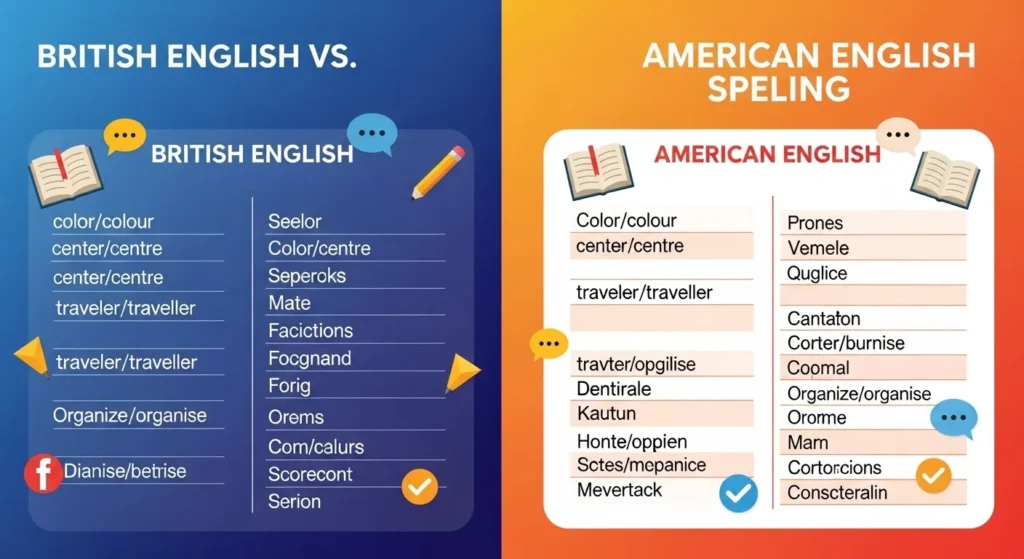
This issue is about preference, not correctness.
American English
American English strongly prefers preventive.
Examples:
- Preventive medicine
- Preventive action
Most US medical journals, government agencies, and style guides recommend preventive.
British English
British English accepts both forms.
Examples:
- Preventive care
- Preventative measures
However, preventive is still more common in formal British writing.
Comparison Table
| Feature | American English | British English |
| Preventive | Preferred | Preferred |
| Preventative | Accepted but rare | Accepted |
| Formal writing | Preventive | Preventive |
Which Spelling Should You Use?
For US Audiences
Use preventive. It is standard, professional, and expected.
For UK and Commonwealth Audiences
Both forms are understood. Preventive is safer for formal writing.
For Global English
Choose preventive. It is shorter, clearer, and more widely accepted.
For Content
Use preventive as the main keyword. You may mention preventative once for clarity.
Clear advice:
When unsure, write preventive.
Common Mistakes with Preventative or Preventive
Mistake 1: Thinking One Is Incorrect
❌ Preventative is wrong.
✅ Preventative is correct, but less preferred.
Mistake 2: Mixing Forms in One Document
❌ Preventive care and preventative treatment
✅ Preventive care and preventive treatment
Mistake 3: Overusing Preventative in Formal Writing
Formal and academic writing favors preventive.
Mistake 4: Assuming British vs American Difference
This is a preference issue, not a strict spelling divide.
Preventative or Preventive in Everyday Examples
In Emails
- We recommend preventive maintenance.
- Preventive steps were taken early.
In News Writing
- Preventive measures reduced the risk.
- Doctors stress preventive care.
On Social Media
- Preventive health saves money 💊
- Preventive habits matter 🏃♂️
In Formal Writing
- Preventive medicine focuses on early action.
- Preventive policies reduce long-term costs.
In Medical Contexts
- Preventive screening is important.
- Preventive vaccines protect communities.
Preventative or Preventive – Google Trends & Usage Data
Search Popularity
Google Trends shows:
- Preventive is searched more often
- Preventative has lower but steady searches
Popularity by Country
- United States: Preventive dominates
- United Kingdom: Preventive slightly higher
- Canada: Preventive preferred
- Australia: Preventive preferred
- India and Pakistan: Preventive common
Usage by Context
- Medical writing: Preventive
- Academic papers: Preventive
- Casual speech: Both
The data shows a clear preference for preventive.
Comparison Table: Preventive vs Preventative
| Point | Preventive | Preventative |
| Correct | Yes | Yes |
| Preferred | Yes | No |
| Formal writing | Recommended | Avoid |
| Length | Shorter | Longer |
| friendly | Yes | Less |
Frequently Asked Questions
Is preventative a real word?
Yes. It is real but less common.
Which spelling is more correct?
Both are correct. Preventive is preferred.
Is preventative British English?
It appears more often in British English, but both forms exist.
Which form do doctors use?
Most use preventive.
Which is better for exams?
Use preventive.
Can I mix both spellings?
No. Choose one and stay consistent.
Which is better for ?
Preventive performs better.
Conclusion
The difference between preventative or preventive is mainly about usage preference, not correctness. Both words come from the verb prevent and both are listed in dictionaries.
However, preventive is older, shorter, and more widely accepted. It is the preferred choice in American English, medical writing, academic work, and professional documents.
The form preventative developed later through natural speech patterns. It is still used, especially in informal contexts and some British writing. However, many style guides advise writers to avoid it in formal texts.
If your goal is clear communication, strong , and professional tone, preventive is the best choice. Use it consistently in emails, reports, blogs, exams, and official documents.
Remember this simple rule: correct English is not only about what is allowed, but about what is preferred. And in modern English, preference clearly favors preventive.
Relatedposts!

