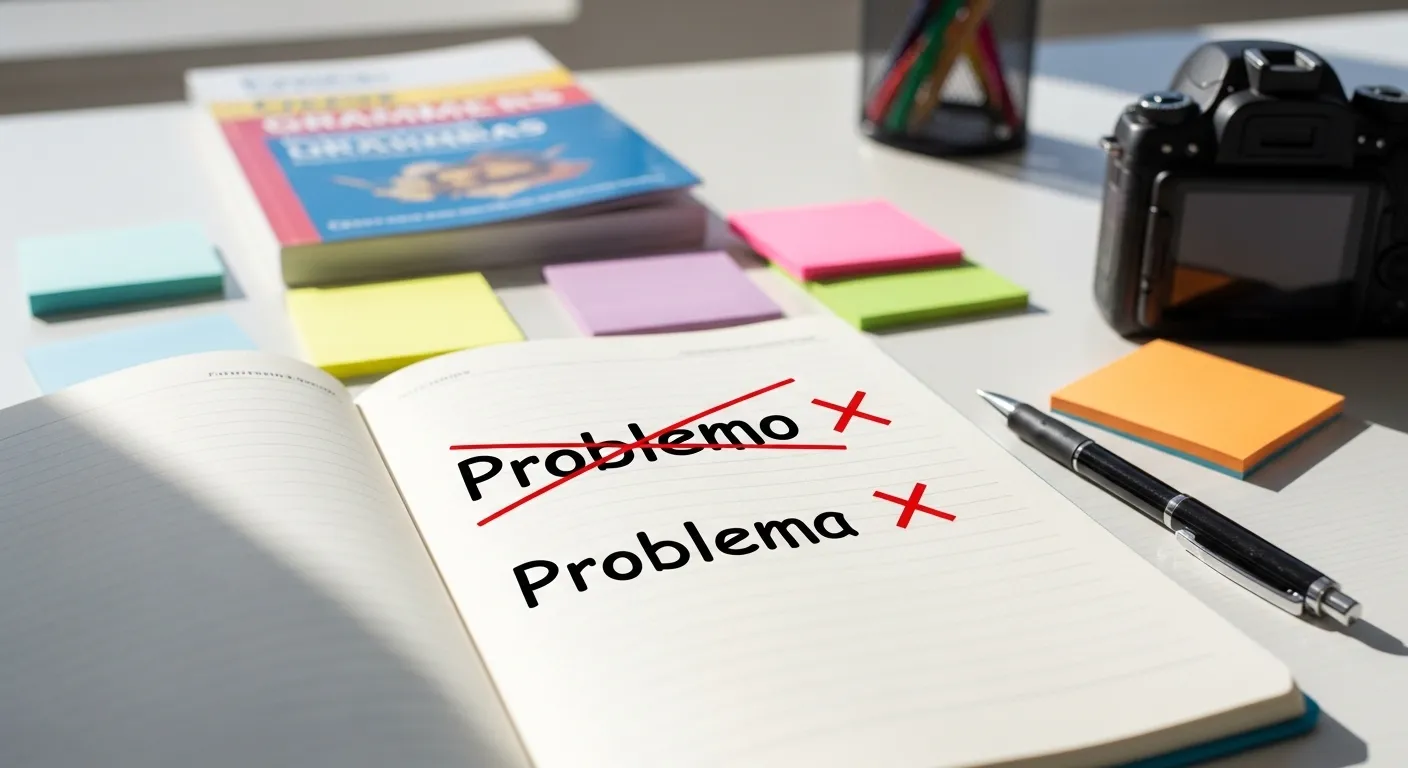
Problema is the correct Spanish word for “problem,” while “problemo” is usually informal slang or a humorous expression in English.
Many people search “problemo or problema” because they see both words online, in memes, or in casual conversations and wonder which one is correct.
Language learners often want to know if “problemo” is a real word or simply a joke version of Spanish. This confusion happens because the words look similar but come from different contexts.
This guide explains definitions, origin, spelling rules and clear advice to help you understand the difference confidently.
📖 Definition of Problemo or Problema
🟢 Definition of Problema
Problema is a Spanish noun that means problem or difficulty. It is widely used in Spanish-speaking countries and in Spanish language learning.
Example:
- Tenemos un problema.
(We have a problem.)
Even though it ends in “a,” it is masculine in Spanish grammar.
🔵 Definition of Problemo
Problemo is not standard Spanish. It appears mostly in informal English slang or jokes where someone imitates Spanish pronunciation.
Example:
- No problemo!
In reality, Spanish speakers would say:
- No hay problema.
Simple Definition Table
| Word | Meaning |
| Problema | Spanish word for “problem” |
| Problemo | Informal slang expression |
Easy Understanding
- Problema → Real Spanish word
- Problemo → Casual joke phrase
✅ Problemo or Problema: Quick Answer
The correct Spanish word is problema.
❌ Wrong Spanish word: problemo
✅ Correct Spanish word: problema
Quick Examples
- Correct Spanish: Hay un problema aquí.
- Informal English slang: No problemo.
Fast Comparison
| Word | Correct Spanish | Meaning |
| Problema | Yes | Problem |
| Problemo | No | Slang expression |
📜 The Origin of Problemo or Problema
🟢 Origin of Problema
The word problema comes from the Greek word problema, meaning obstacle or question. It later entered Latin and then Spanish.
The structure stayed very similar across languages.
Examples in other languages:
- Spanish → problema
- Italian → problema
- Portuguese → problema
This shows how the word traveled through classical languages.
🔵 Origin of Problemo
The word problemo became popular in English-speaking culture through humor, movies, and television.
People added “-o” at the end of English words to imitate Spanish pronunciation.
Examples:
- No problemo
- Easy-o
- Thank you-o (joking tone)
This style appears mostly in informal speech or comedy.
Why Confusion Happens
The confusion happens because:
- Both words look similar
- “No problemo” is widely used in casual English
- Many learners assume it is real Spanish
In standard Spanish, the correct phrase remains problema.
🇬🇧🇺🇸 British English vs American English Spelling
There is no spelling difference between British and American English for these words.
Both regions use:
- problema (Spanish word)
- problemo (informal slang)
Comparison Table
| Word | British Usage | American Usage | Change |
| Problema | Spanish term | Spanish term | No |
| Problemo | Informal slang | Informal slang | No |
However, “problemo” is not considered formal language in either region.
🌍 Which Spelling Should You Use?
🇪🇸 For Spanish Writing
Use problema.
Example:
- El problema es difícil.
🇺🇸 For Casual English Conversation
You may hear no problemo, but it is informal and humorous.
Example:
- No problemo, I can help.
🌎 For Professional Writing
Avoid “problemo.” Use clear standard language such as:
- problem
- issue
- challenge
Quick Guide
| Situation | Best Word |
| Spanish writing | Problema |
| English formal writing | Problem |
| Casual joking speech | Problemo |
⚠️ Common Mistakes with Problemo or Problema

1. Thinking Problemo Is Spanish
❌ No problemo amigo.
✅ No hay problema amigo.
2. Using Problemo in Formal Writing
“Problemo” is slang and should not appear in professional documents.
3. Confusing Gender in Spanish
Even though problema ends in “a,” it is masculine.
Correct:
- El problema
Not:
- La problema
4. Misspelling the Word
Wrong
- probelma
- problemma
- problemo (in Spanish)
Correct
- problema
✉️ Problemo or Problema in Everyday Examples
Emails
- There is a small problem with the order.
Spanish Conversation
- Tenemos un problema con el proyecto.
Social Media
- No problemo! Happy to help.
Formal Writing
- The main problem requires further research.
📊 Problemo or Problema : Google Trends & Usage Data
Search interest in these terms usually appears when people encounter the phrase “no problemo” online.
High Interest Regions
United States
- Popular through movies and internet culture.
United Kingdom
- Common in casual humorous speech.
Spain and Latin America
- Searches often come from learners of Spanish.
Why People Search This Topic
- Spanish language learning
- Internet slang curiosity
- Movie or meme references
- Translation questions
People want to confirm if the phrase is real Spanish.
📋 Comparison Table: Problemo vs Problema
| Feature | Problema | Problemo |
| Language | Spanish | Informal English slang |
| Meaning | Problem | Casual phrase |
| Formal Usage | Yes | No |
| Grammar | Standard | Non-standard |
| Example | El problema es serio | No problemo |
❓ FAQs About Problemo or Problema
1. Is “problemo” a real Spanish word?
No. It is informal slang used mainly in English humor.
2. What is the correct Spanish word for problem?
The correct word is problema.
3. Why do people say “no problemo”?
It became popular through movies and pop culture.
4. Is it rude to say problemo in Spanish?
It may sound strange or unnatural to native speakers.
5. Why does problema end in “a” but use “el”?
Some Spanish nouns ending in “a” are masculine.
6. Can problemo be used in professional writing?
No. It should stay in casual conversation.
7. Is problema used in other languages?
Yes. Italian and Portuguese use similar forms.
🧾 Conclusion
Understanding the difference between problemo and problema helps avoid confusion when learning languages or communicating clearly.
Problema is the correct Spanish word that means problem and appears in everyday conversation and professional communication.
In contrast, problemo is an informal slang expression mostly used in English speaking culture for humor or casual conversation. It is not considered proper Spanish.
Many people encounter the phrase “no problemo” in movies or social media and assume it is correct Spanish, which leads to misunderstanding.
Recognizing the real word and its correct usage improves language accuracy and cultural awareness. When writing or speaking Spanish, always use problema.
In English conversations, it is better to say problem in formal situations. Knowing this distinction ensures clearer communication and helps language learners avoid common mistakes.
Discover more Articals!
Dare or Drink: How to Play the Game the Right Way📝
Choose or Die: Everything You Need to Know About the Game 🎮
West Linn or: Meaning, Location, and Why People Search It

