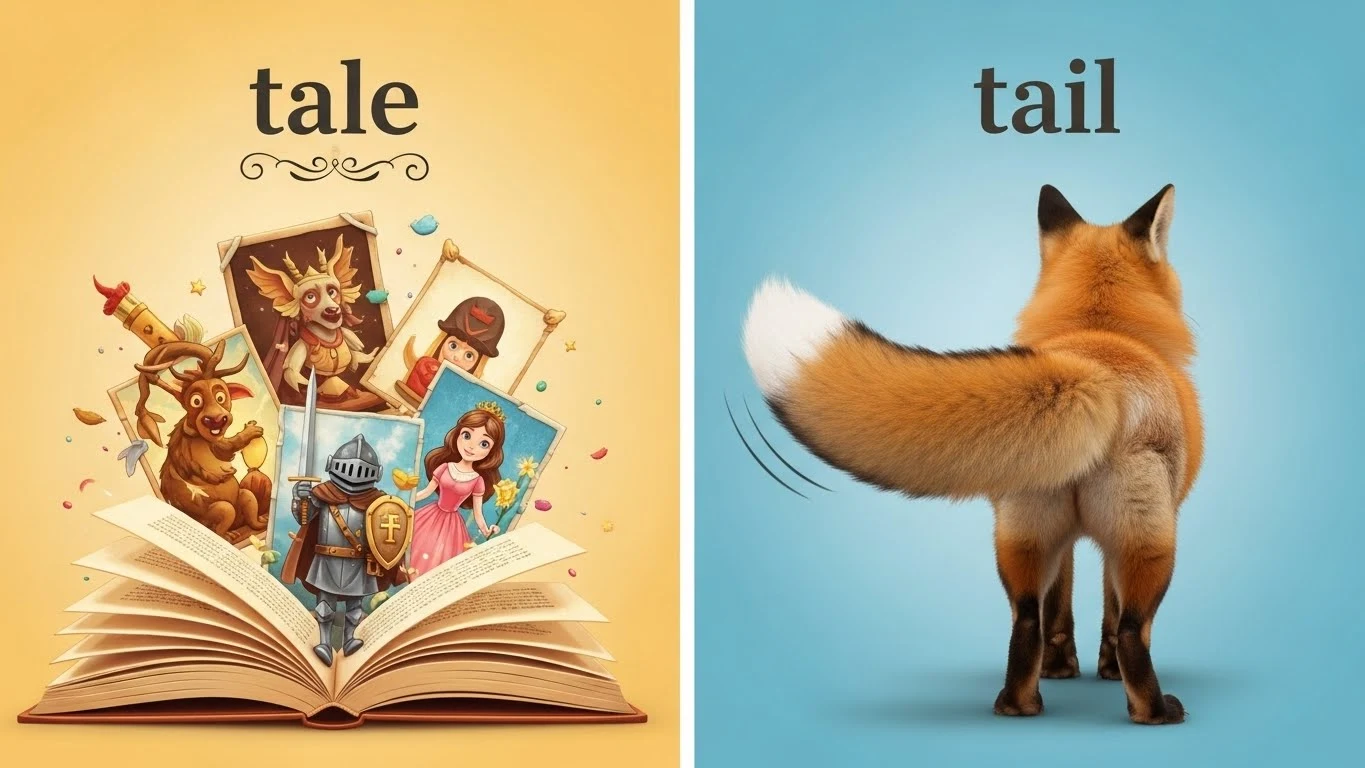
English is full of words that sound the same but have very different meanings. “Tale” and “tail” are perfect examples. They are pronounced alike, but they are spelled differently and used in completely different situations.
Because of this, many people search for “tail vs tale” when writing emails, stories, school assignments, social media posts, or professional content.
The confusion usually happens because both words are common in daily English. You might hear someone say a long tale or talk about a dog’s tail, and when you write it down, you pause and think: Which spelling is correct?
Using the wrong one can change the meaning of your sentence or make your writing look careless.
This article solves that confusion clearly and simply. You will get a quick answer, detailed explanations, real-life examples, spelling comparisons, common mistakes, and professional
advice on which word to use and when. By the end, you will confidently know the difference between tale and tail and never mix them up again.
Tale or Tail: Quick Answer
Tale means a story, often imaginary or exaggerated.
Tail means the rear part of an animal or something shaped like it.
Simple Examples:
- She told a scary tale by the campfire.
- The dog wagged its tail happily.
👉 Rule to remember:
- If it’s a story, use tale.
- If it’s a body part or end, use tail.
The Origin of tail or tale
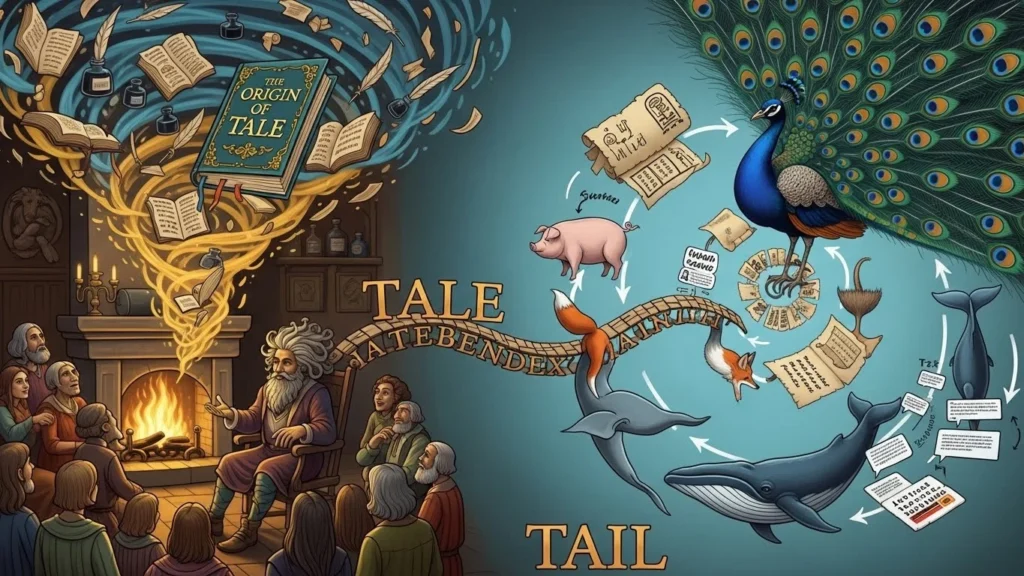
Understanding word origins can make spelling easier.
Origin of Tale
- Comes from Old English “talu”
- Meaning: speech, story, or account
- Related to telling, talking, and narration
Over time, tale became linked to fictional stories, folk tales, fairy tales, and exaggerated accounts.
Origin of Tail
- Comes from Old English “tægel”
- Meaning: rear appendage of an animal
- Connected to physical shape and movement
The spelling difference exists because these words came from different roots, even though pronunciation merged over time.
British English vs American English Spelling
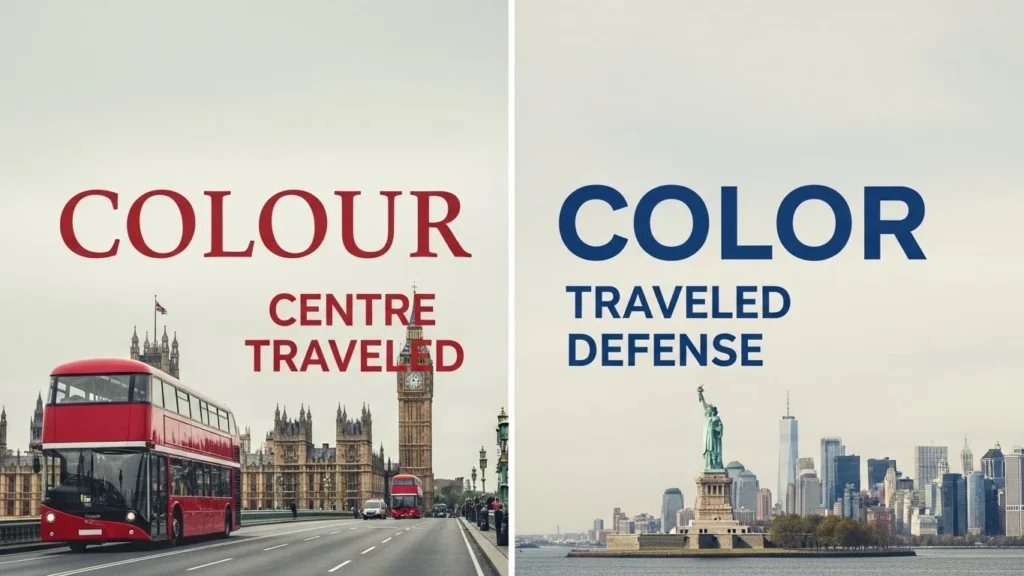
Good news: there is NO spelling difference between British and American English for tale and tail.
Both dialects use:
- Tale for stories
- Tail for body parts or ends
Comparison Table
| Word | British English | American English | Meaning |
| Tale | Tale | Tale | Story or narrative |
| Tail | Tail | Tail | Rear part or end |
👉 The confusion is about meaning, not regional spelling.
Which Spelling Should You Use?
Your audience does not change the spelling, but context does.
Use Tale if:
- You are writing a story
- You mean a narrative or account
- You are talking about fiction or folklore
Example:
- This novel tells a powerful tale of love and loss.
Use Tail if:
- You mean an animal’s body part
- You are describing shape, movement, or position
- You refer to the end of something
Example:
- The plane’s tail was damaged during landing.
👉 For US, UK, Commonwealth, or global audiences, the rule is the same.
Common Mistakes with Tale or Tail
Here are frequent errors and how to fix them.
❌ Wrong → ✅ Correct
- He wrote a long tail about his journey. ❌
✔ He wrote a long tale about his journey. - The cat lost its tale in the accident. ❌
✔ The cat lost its tail in the accident.
Why These Mistakes Happen
- Same pronunciation
- Fast typing
- Autocorrect confusion
- ESL learner challenges
👉 Always check the meaning, not the sound.
Tale or Tail in Everyday Examples
Emails
- ✔ Please share the full tale behind this project.
- ✔ The company logo features a lion with a long tail.
News
- ✔ The journalist uncovered a shocking tale of corruption.
- ✔ The aircraft’s tail section was repaired.
Social Media
- ✔ That travel tale was inspiring!
- ✔ Look at my dog’s fluffy tail 🐶
Formal Writing
- ✔ The author presents a moral tale.
- ✔ The comet’s glowing tail was visible at night.
Tale or Tail : Google Trends & Usage Data
Search data shows that “tale or tail” is a popular query among:
- Students
- Content writers
- ESL learners
- Bloggers
Usage by Context
- Tale appears more in:
- Books
- Stories
- Literature
- News features
- Tail appears more in:
- Biology
- Aviation
- Fashion (tailcoat)
- Everyday descriptions
Popular Regions
- United States
- United Kingdom
- India
- Pakistan
- Australia
👉 People mainly search this keyword to avoid writing mistakes.
Tale vs Tail: Comparison Table
| Feature | Tale | Tail |
| Meaning | Story or narrative | Rear part or end |
| Part of Speech | Noun | Noun |
| Physical Object | ❌ No | ✔ Yes |
| Related To | Stories, fiction | Animals, objects |
| Common Use | Fairy tales | Dog’s tail |
Frequently Asked Questions
1. Is tale or tail correct for a story?
Tale is correct. Tail is never used for stories.
2. Can tail be used metaphorically?
Yes. Example: the tail end of the year.
3. Are tale and tail homophones?
Yes. They sound the same but have different meanings and spellings.
4. Is there any regional spelling difference?
No. Both British and American English use the same spellings.
5. How can I remember the difference?
- Tale = Tell a story
- Tail = Touch (a body part)
6. Is fairy tail correct?
No. The correct phrase is fairy tale.
7. Can tail be used as a verb?
Yes. Example: The car tailed us for miles.
read more abour!The Origin of Keeped or Kept
Conclusion
The difference between tale and tail is simple
once you focus on meaning. Even though they sound the same, they serve very different purposes in English.
Tale belongs to the world of stories, imagination, and narration. Tail belongs to the physical world, describing the rear part of animals or the end of objects.
This confusion is common, especially for learners and writers who rely on sound rather than spelling. The key is to pause and ask one question:
Am I talking about a story or a physical end? That single step will guide you to the correct word every time.
Whether you are writing emails, academic papers, blog posts, or social media captions, choosing the right spelling improves clarity and professionalism
. Now that you understand tale or tail, you can write with confidence and avoid one of English’s most common spelling mistakes.
Related posts!
Crises or Crisis : Quick Answer

