“Awakened” and “awoken” are both correct, but “awakened” is more common in everyday use, while “awoken” is mainly used as a past participle.
English learners and even native speakers often get confused when choosing between “awakened” or “awoken.”
Both words come from the same verb awaken and both are correct, yet they are used in different ways.
This confusion is why many people search for “awaken or awoken” when writing emails, stories, school assignments, or professional content.
The main problem is that English verbs sometimes have two past participle forms, and awaken is one of them. People are unsure whether to write “She has awakened early” or
“She has awoken early.” Others wonder which form sounds more natural in American or British English. Some writers also mix up tense rules, using awoken where awakened should be used.
This article solves that confusion once and for all. You’ll get a quick answer, a clear explanation, real life examples, and professional advice on which form to use and when.
By the end, you’ll confidently know whether awakened or awoken fits your sentence no guessing, no grammar stress.
Awakened or Awoken:Quick Answer

Both “awakened” and “awoken” are correct, but they are used slightly differently.
- Awakened can be used as:
- Past tense
- Past participle
- Awoken is used only as:
- Past participle
✅ Correct Examples
- She awakened at dawn. (past tense)
- She has awakened at dawn. (past participle)
- She has awoken at dawn. (past participle)
❌ Incorrect Example
- She awoken at dawn. ❌ (wrong because “awoken” cannot be simple past)
👉 Simple rule:
If you need a simple past, use awakened.
If you need a past participle, you can use awoken or awakened.
The Origin of Awakened or Awoken
The verb “awaken” comes from Old English āwæcnan, meaning to arise or come into being. Over time, English verbs developed regular and irregular forms, and awaken became one of those verbs with two accepted past participles.
Historically:
- Awakened follows the regular verb pattern ( ed ending).
- Awoken follows the irregular pattern, similar to wake → woke → woken.
Because awaken is closely related to wake, English speakers naturally adopted awoken as an alternative participle. This is why both forms exist today.
There is no spelling mistake involved this difference is about grammar patterns, not wrong spelling.
British English vs American English Spelling
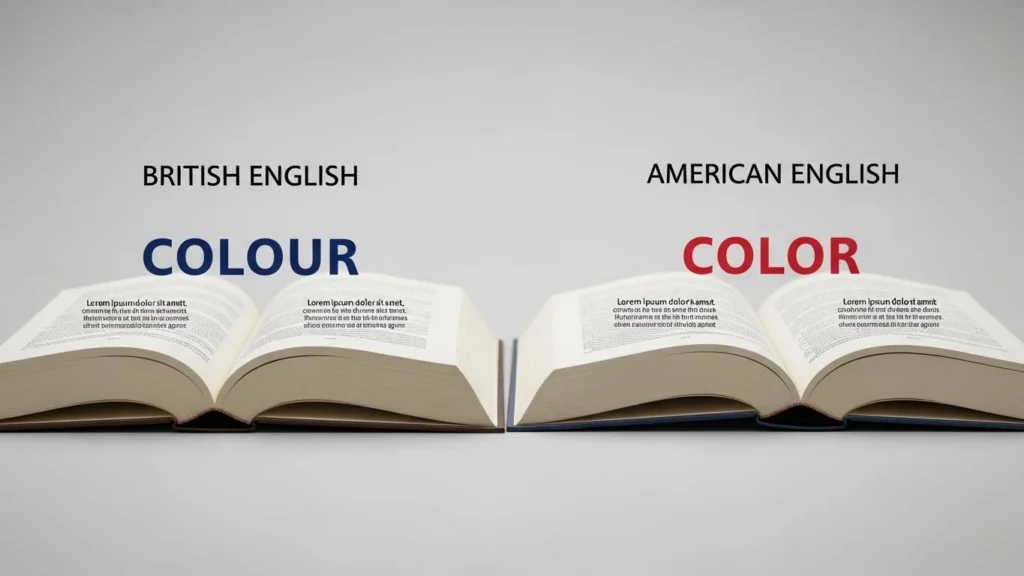
Both British English and American English accept awakened and awoken, but their preferences differ slightly.
Key Differences
- American English prefers awakened in most situations.
- British English uses both, but awoken appears more often in literary or formal contexts.
Comparison Table
| Feature | American English | British English |
| Simple past | awakened | awakened |
| Past participle (common) | awakened | awoken / awakened |
| Formal writing | awakened | awoken |
| Everyday use | awakened | both |
👉 Important: There is no spelling change only usage preference differs.
Which Spelling Should You Use?
Choosing between awakened or awoken depends on your audience and purpose.
🇺🇸 For American Audiences
Use awakened.
It sounds natural, modern, and clear.
Example:
- The noise awakened the neighbors.
🇬🇧 For British or Commonwealth Audiences
Both are fine, but awoken sounds more traditional.
Example:
- He has awoken to a new reality.
🌍 For Global or Professional Writing
Use awakened to avoid confusion.
It’s widely understood and grammatically safe.
Best practice:
When unsure, choose awakened.
Awakened vs Awoken in Perfect Tenses (Has Awoken or Has Awakened?)
Many learners get confused when using perfect tenses, especially with phrases like has awoken or has awakened and have awakened or have awoken.
Both forms are correct, but only when used as past participles with helping verbs like has, have, or had.
Examples:
- She has awakened early.
- She has awoken early.
- They have awakened to the truth.
- They have awoken to the truth.
This also answers common questions like:
- he has awakened or awoken → both correct
- she has awoken → correct
- have awoken or have awakened → both correct
However, mistakes happen when people mix tense forms:
❌ He has awaken early.
✅ He has awakened early.
❌ I have awaken to the problem.
✅ I have awakened / I have awoken to the problem.
Important rule:
Awoken must always be used with a helping verb.
You may also see related forms like:
- awoke vs awakened
- woken or awoken
These belong to the same verb family, but awakened remains the safest and most widely accepted choice in modern writing.
Awoken Meaning, Usage, and Common Sentence Patterns
Many people search for the meaning of awoken or ask questions like is awoken a real word and how to use awoken in a sentence.
The answer is clear:
👉 Awoken is a real word, and it is the past participle of “awaken.”
✔ Meaning of Awoken
Awoken means to have become aware, conscious, or awake after sleeping or inactivity.
Examples:
- He has awoken from a deep sleep.
- She has awoken to new opportunities.
✔ Awoken in a Sentence
- I was awoken by a loud noise.
- They have awoken to the reality of the situation.
- The city has awoken after the storm.
You may also see variations like:
- I was awakened or I was awoken → both correct
- was awoken or was awakened → both acceptable
- woken or awakened → depends on verb choice
✔ Common Confusion
Some incorrect or confusing forms include:
❌ awokened
❌ I have awaken
❌ he has awaken
These forms are not correct in standard English.
Correct forms include:
- awakened (past + participle)
- awoken (past participle only)
👉 Quick clarity:
- is awoken a word? → Yes
- awoken meaning → past participle of awaken
- awaken vs woken → different verb forms
Common Mistakes with Awakened or Awoken
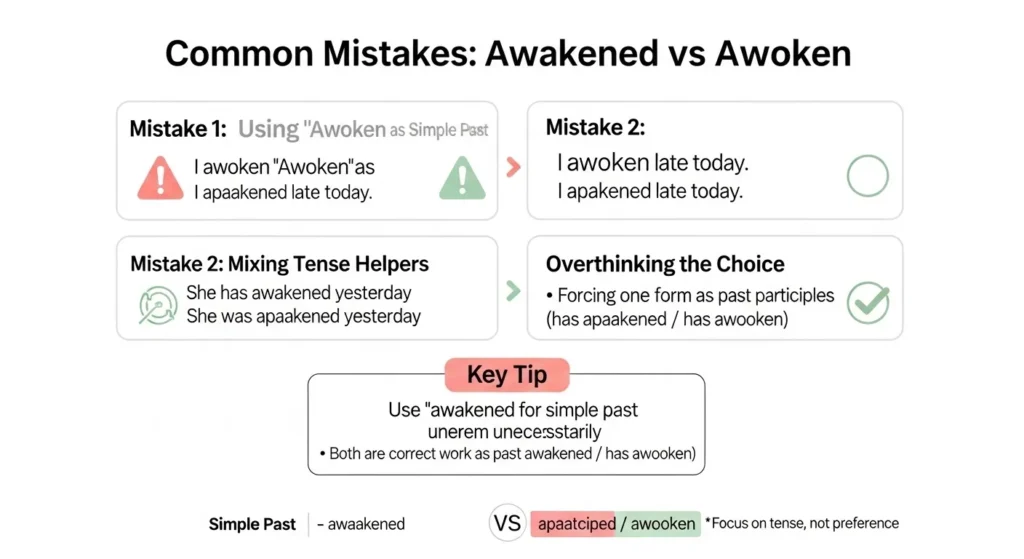
Many writers make small but common errors with this keyword.
❌ Mistake 1: Using “awoken” as simple past
- ❌ I awoken late today.
- ✅ I awakened late today.
Mistake 2: Mixing tense helpers
- ❌ She has awakened by the alarm yesterday.
- ✅ She was awakened by the alarm yesterday.
❌ Mistake 3: Overthinking the choice
Both forms are correct in participle form. Don’t force one if the other fits naturally.
Awakened or Awoken in Everyday Examples
📧 Emails
- I was awakened by your urgent message.
- I have awoken to the importance of this issue.
📰 News Writing
- The incident awakened public concern.
- The nation has awoken to economic challenges.
📱 Social Media
- Just awakened from the best nap ever 😴
- Finally awoken and ready to work!
📄 Formal Writing
- The discovery awakened scientific interest.
- Society has awoken to climate risks.
Awakened or Awoken: Google Trends & Usage Data
Search trends show that “awakened or awoken” is commonly searched by:
- Students
- ESL learners
- Content writers
- Bloggers
Usage Insights
- United States: “awakened” dominates.
- United Kingdom: “awoken” appears more in literature.
- Global searches: Users want to know which is correct, not just meaning.
The keyword is often searched with:
- “difference”
- “past tense”
- “which is correct”
This confirms strong educational intent, not slang or informal usage.
Read more about!
Gibberish or Jibberish: Quick Answer
Comparison Table:Awakened vs Awoken
| Form | Tense | Correct? | Example |
| awakened | past tense | ✅ | She awakened suddenly |
| awakened | past participle | ✅ | She has awakened |
| awoken | past participle | ✅ | She has awoken |
| awoken | past tense | ❌ | She awoken suddenly |
Frequently Asked Questions
1. Is “awoken” correct English?
Yes, awoken is correct as a past participle, not as simple past.
2. Can I use “awakened” instead of “awoken”?
Yes. In most cases, awakened can replace awoken.
3. Which is more formal: awakened or awoken?
Awoken sounds slightly more formal or literary.
4. Is “awakened” American English?
Yes, awakened is more common in American English.
5. Is “awoken” British English?
It is more commonly used in British English, but not exclusive.
6. Which should ESL learners use?
ESL learners should use awakened for safety and clarity.
7. Are awakened and awoken interchangeable?
Only in past participle form. Not in simple past.
Conclusion
The confusion between awakened or awoken is common, but it’s easy to solve once you understand the grammar. Both words come from the verb awaken and are grammatically
correct, yet they serve slightly different roles. Awakened is more flexible it works as both the simple past and the past participle.
Awoken, on the other hand, is limited to the past participle and often appears in more formal or British style writing.
If your goal is clear, modern, and global communication, awakened is usually the best choice. It sounds natural in emails, articles, and professional documents. Awoken is still
valuable, especially in literary or expressive contexts, but it requires careful tense usage.
By following the simple rules and examples in this guide, you can confidently choose between awakened or awoken every time.
English doesn’t have to be confusing clarity comes from understanding patterns, not memorizing rules.
Related posts!
Venmo or PayPal: What Is the Difference?(2026)
Ringworm or Psoriasis: What Is the Difference?(2026)

