Many people search for “always or allways” because they see both spellings used online, in comments, social media posts, and even casual messages. When you are learning English or trying to write professionally, this small spelling doubt can feel confusing.
You may wonder: Is allways an alternative spelling? Is it British English? Or is it simply a mistake? These questions are very common, especially for non native speakers and students preparing for exams, blogs, or work emails.
Many learners even search phrases like allways oder always, always ou allways, or always atau allways, trying to confirm the correct spelling.
The confusion happens because English spelling is not always logical. Some words look like they should be spelled one way, but history and usage decide the correct form. Since
“always” is a very common adverb, even a small spelling error can stand out and make writing look careless or unprofessional. People search for allways or always to get a quick answer and avoid embarrassment.
This article solves that confusion clearly and simply. You will get a direct answer, word history, British vs American comparison, usage advice, common mistakes, real life
examples, Google Trends insights, FAQs, and a clear conclusion. By the end, you will know exactly which spelling is correct and how to use it confidently in every situation.
Allways or Always:Quick Answer
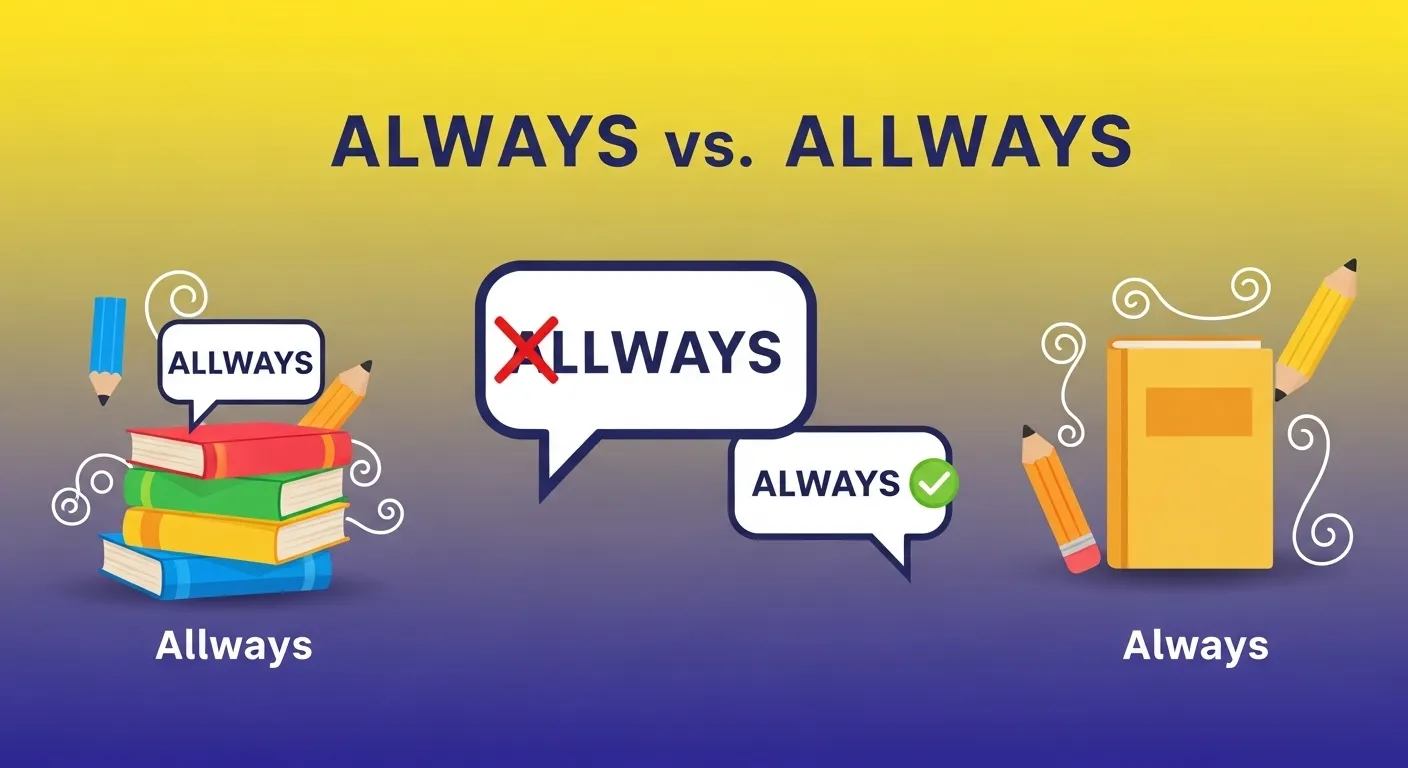
If you are asking about spelling always or allways, the answer never changes.
✅ Always is the correct spelling.
❌ Allways is incorrect and not accepted in standard English.
Examples:
- I always wake up early. ✅
- She always tells the truth. ✅
❌ I allways wake up early. (Incorrect)
There is no context, tense, or regional rule where allways is correct.
The Origin of Allways or Always
Some learners look for allways meaning, but it has no meaning because it is not a real word.

The word always comes from Middle English alweyes, which itself came from Old English roots meaning “all the time” or “at every moment.” It is formed from:
- all (meaning completely or entirely)
- way (used historically to mean manner or course of time)
Over time, the spelling settled as always with a single “l” after al. The double “ll” spelling (allways) never became part of standard English.
It sometimes appears because people assume the word is made from all + ways and add an extra “l” by mistake.
The spelling difference exists mainly because of pronunciation habits and visual confusion, not because of historical alternatives.
Dictionaries, grammar books, and academic sources have always recognized always as the only correct form.
British English vs American English Spelling
There is no difference in always allways spelling between British and American English.
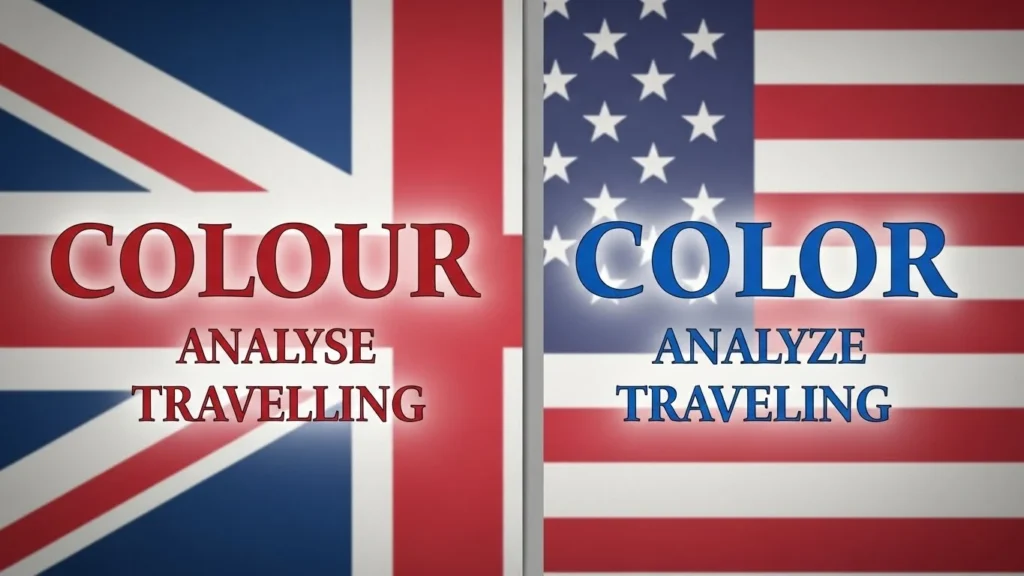
Many learners assume that allways might be British English and always American English. This is not true.
Both British English and American English use the same spelling: always.
Examples
- British English: I always drink tea in the morning.
- American English: I always drink coffee in the morning.
Comparison Table
| Feature | British English | American English |
| Correct spelling | always | always |
| Alternative spelling | ❌ allways | ❌ allways |
| Accepted in dictionaries | Yes | Yes |
| Used in formal writing | Yes | Yes |
There is no regional variation for this word.
Which Spelling Should You Use?
People often ask google how do you spell always, and the answer is always the same.
The answer is simple: always use “always.”
Audience Based Advice
- US audience: Use always
- UK/Commonwealth audience: Use always
- Global audience: Use always
If you use allways, your writing may look incorrect, informal, or careless. This is especially important in:
- Exams and tests
- Job emails
- Blog posts and articles
- Academic writing
Professional Tip: If spellcheck underlines allways in red, it is correct to fix it because it is wrong.
Common Mistakes with Allways or Always
Questions like how to spell allways or spell allways usually come from this common mistake.
Mistake 1: Adding Extra “L”
❌ I allways try my best. ✅ I always try my best.
Mistake 2: Assuming “Allways” Is British
❌ In British English, allways is correct. ✅ In both British and American English, always is correct.
Mistake 3: Confusing with “All Ways”
❌ She allways finds a solution. ✅ She always finds a solution.
Note: All ways (two words) is different and means every possible method.
Allways or Always in Everyday Examples
Emails
- I always appreciate your support.
- We always respond within 24 hours.
News
- The company has always followed strict rules.
- He always denied the claims.
Social Media
- I always love this song ❤️
- She always makes me laugh 😂
Formal Writing
- This method is always effective in controlled conditions.
- The policy has always been applied equally.
Allways or Always:Google Trends & Usage Data
Search trends show that “allways or always” is a popular query in:
Search data also shows variations like allways of always and allways always typed by users.
- South Asia (India, Pakistan, Bangladesh)
- Southeast Asia
- ESL learning countries worldwide
Most users searching this term are:
- Students
- Content writers
- English learners
- Bloggers
In published books, news articles, and academic writing, always appears millions of times, while allways appears mostly as a spelling error. Google Trends confirms that searches for allways usually lead to correction based queries.
Context Insight:
- “Always” is common in daily speech and writing
- “Allways” appears mainly in informal comments or typos
Comparison Table: Allways vs Always
This confusion also leads to comparisons like always vs all ways, always or all ways, or all ways or always.
| Word | Correct? | Meaning | Usage |
| always | ✅ Yes | At all times | Standard English |
| allways | ❌ No | None | Spelling mistake |
| all ways | ✅ Yes | Every method | Different phrase |
Frequently Asked Questions
What is the correct spelling of always?
Is “allways” ever correct?
No. Allways is never correct in standard English.
Is “always” one word or two?
Always is one word. All ways is two words with a different meaning.
Can “allways” be slang?
No. It is considered a spelling error, not slang.
Do British people spell it “allways”?
No. British English also uses always.
Why do people write “allways”?
Because of pronunciation and confusion with all + ways.
Is “always” formal or informal?
It is neutral and works in both formal and informal writing.
Will spellcheck catch “allways”?
Yes. Most spellcheck tools mark allways as incorrect.
READ MORE ABOUT!Trouper or Trooper:Quick Answer
Conclusion
The confusion between allways or always is very common, but the rule is simple once you know it. Always is the only correct spelling in English. It is accepted in British English,
American English, and all other standard forms of the language. Allways is not a variant, not regional, and not informal it is simply incorrect.
Because always is such a frequently used word, spelling it correctly is important. A small mistake can reduce the quality of your writing, especially in professional, academic, or online
content. If you are writing an email, a blog post, a news article, or a social media caption, using always shows clarity and confidence.
To avoid mistakes, remember this: there is only one “l” in always after “al.” If you ever feel unsure, check a dictionary or trust your spellchecker.
With this guide, you now have a quick answer, a detailed explanation, and practical advice to use always correctly every time.
Related posts!
Comparison Table: Broche vs Brooch

I am Daniel Wright. I am a English language writer. I focuse on word comparisons and common spelling confusions.
I simplifies tricky English terms to help learners and writers avoid everyday mistakes.
My work is especially useful for students, bloggers, and non-native English readers.
Daniel believes clear language builds confident communication.