Sunk or Sank: Meaning and Examples
Sank is the simple past tense, and sunk is the past participle of sink. Many people search for “sunk or ...
Read more
Archeologist or Archaeologist: Definition, Rules, and Examples
Archaeologist is the correct and most widely accepted spelling in modern English. Many people search for “archeologist or archaeologist”. This ...
Read more
Shiesty or Sheisty: Grammar Rules Made Simple
Shiesty is the correct and accepted spelling in modern English. Many people search for “shiesty or sheisty” because both spellings ...
Read more
Knives or Knifes: Which One Is Correct? 🔪✨
The correct spelling is “knives.” Many people get confused because “knife” ends with an -fe, which changes to -ves in ...
Read more
Preventative or Preventive: Meaning, Usage, and Examples

Preventive is the preferred and standard form, while preventative is also accepted but less common. Many people search for “preventative ...
Read more
Eachother or Each Other: Which One Is Correct?

“Each other” is correct (two words); “eachother” is incorrect in standard English. English learners, students, and even professional writers often ...
Read more
Travelling or Traveling: Which One Is Correct?

Both are correct: travelling is used in British English, while traveling is used in American English. Many English learners, writers, ...
Read more
Favourites or Favorites: Which One Is Correct?
Many people search for “favourites or favorites” because both spellings look correct, yet only one feels right in certain places. ...
Read more
Incase or In Case: Which One Is Correct?
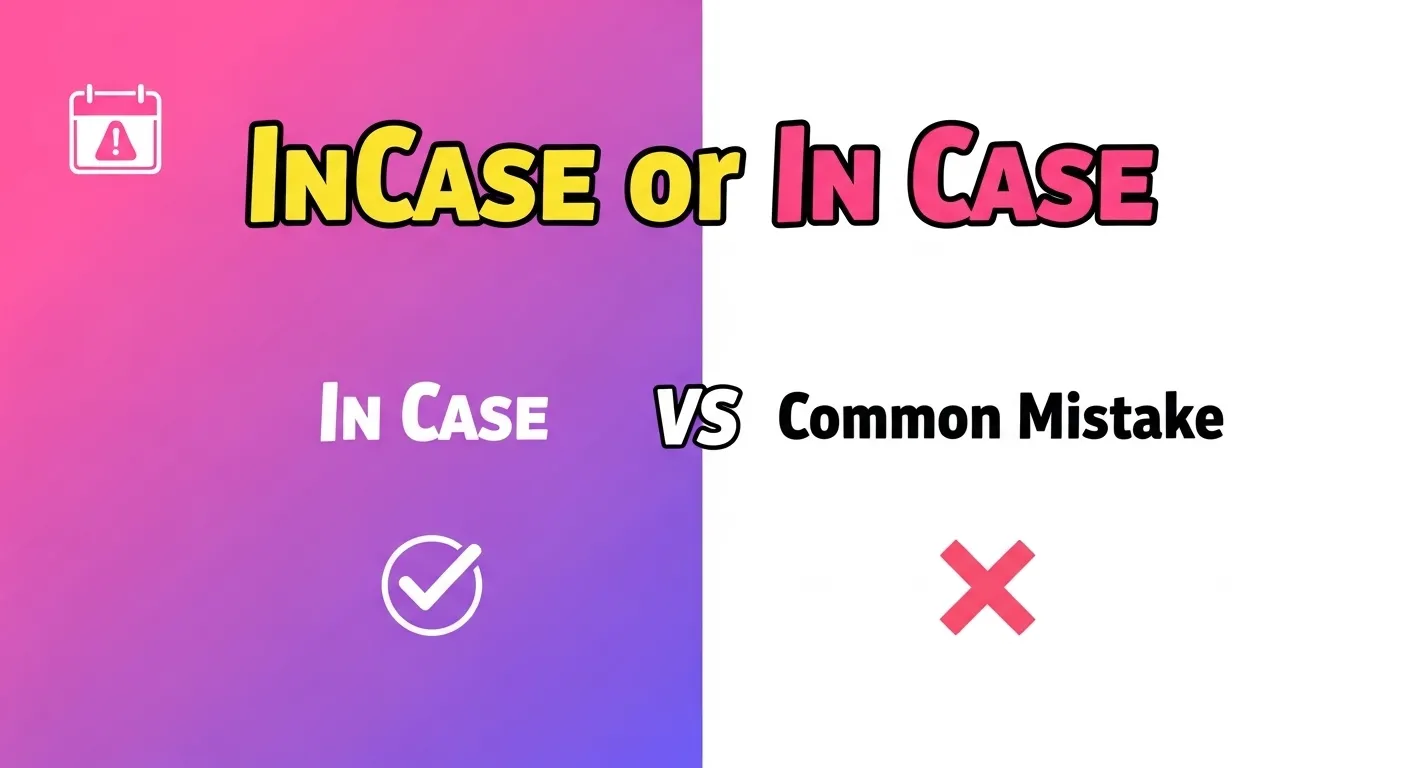
“In case” is the correct form (two words) meaning if something happens.“Incase” is not correct in standard English. Many English ...
Read more
Layed or Laid: Which One Is Correct? 📝

Many English learners and even native speakers search for “laid or layed” because both forms look possible, but only one ...
Read more