Many English learners and even fluent speakers search for “dog’s or dogs’ ” because apostrophes in English can be confusing. At first glance, both forms look almost the same, but they have very different meanings.
One small apostrophe can completely change what a sentence means. This confusion often appears in school assignments, exams, emails, social media captions, and even professional writing.
People usually search for dogs or dog’s when they want to talk about more than one dog, or when they want to show ownership.
The problem is that English uses apostrophes for possession, not for making words plural. Because of this, many writers mistakenly add an
apostrophe when they only mean “more than one dog.” This mistake is very common and can make writing look unpolished or incorrect.
This article solves that confusion step by step. You will get a quick answer, clear explanations, real-life examples, common mistakes, tables, FAQs, and professional advice.
By the end of this guide, you will clearly understand when to use dogs and when to use dog’s, and you will never be confused by this apostrophe rule again.
dogs’ vs dog’s
: Quick Answer
Dogs is the plural form of dog. It means more than one dog.
Dog’s is the singular possessive form. It shows that something belongs to one dog.
Examples:
- The dogs are playing in the park. ✅ (more than one dog)
- The dog’s collar is blue. ✅ (the collar belongs to one dog)
❌ The dog’s are barking. (Incorrect)
The Origin of Dogs or Dog’s
The word dog comes from Old English docga, which referred to a powerful breed of dog. Over time, dog became the general word for all domestic dogs. Like most English nouns, it follows standard plural and possessive rules.
In English, plural nouns are usually formed by adding -s. That is how dog becomes dogs. Apostrophes were never meant to create plurals. Instead, they developed to show ownership or possession.
The possessive form dog’s comes from Old English genitive case endings, which later evolved into the apostrophe + s structure we use today.
The spelling difference exists because English separates the idea of quantity (plural) from ownership (possessive). Understanding this history makes the rule easier to remember.
British English vs American English Spelling
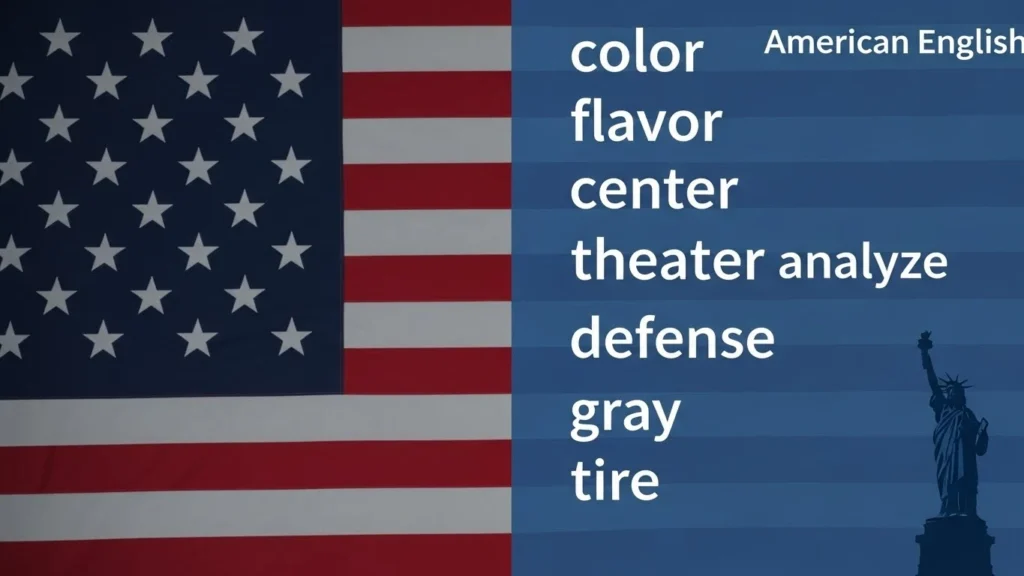
There is no difference between British English and American English when it comes to dogs or dog’s. Both follow exactly the same grammar rules.
Examples
- British English: The dogs are outside.
- American English: The dog’s owner is here.
Comparison Table
| Feature | British English | American English |
| Plural form | dogs | dogs |
| Singular possessive | dog’s | dog’s |
| Apostrophe usage | Same rules | Same rules |
Which Spelling Should You Use?
The correct choice depends on what you want to say.
- Use dogs when talking about more than one dog.
- Use dog’s when something belongs to one dog.
Audience-Based Advice
- US audience: Follow standard apostrophe rules. Avoid apostrophes for plurals.
- UK/Commonwealth audience: Use the same rules.
- Global audience: Keep writing simple and correct to avoid confusion.
Quick Tip: If you can replace the word with “of the dog,” then dog’s is correct.
Common Mistakes with Dogs or Dog’s
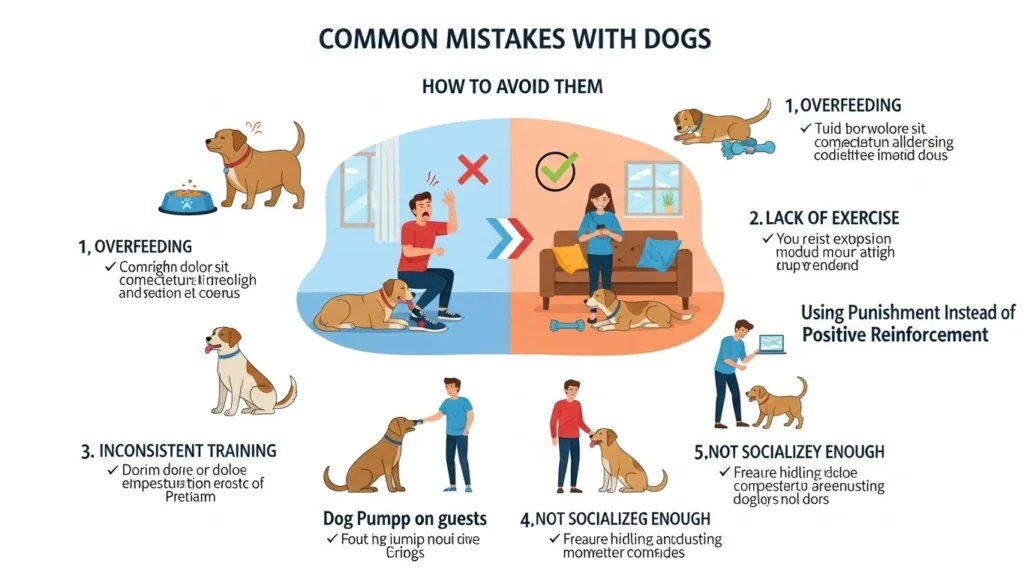
Mistake 1: Using an Apostrophe for Plurals
❌ The dog’s are barking. ✅ The dogs are barking.
Mistake 2: Forgetting the Apostrophe for Possession
❌ The dogs tail is long. ✅ The dog’s tail is long.
Mistake 3: Confusing Singular and Plural Possession
❌ The dogs leash is red. (unclear) ✅ The dog’s leash is red. (one dog)
Dogs or Dog’s in Everyday Examples
Emails
- The dogs will be vaccinated tomorrow.
- The dog’s appointment is at 3 PM.
News
- Police rescued two dogs from the building.
- The dog’s behavior helped find the suspect.
Social Media
- Love my dogs so much 🐶🐶
- My dog’s first birthday today 🎉
Formal Writing
- The dog’s response to training was recorded.
Dogs or Dog’s : Google Trends & Usage Data
Search trends show that “dogs or dog’s” is commonly searched in:
- South Asia
- Middle East
- ESL-learning countries
- Student-focused regions
Most searches come from learners confused about apostrophe usage. The plural form dogs is far more common in general writing, while dog’s appears mostly in descriptive or possessive contexts.
Teachers and editors often highlight this error because it is very visible in written English.
read more about!The Origin of Recognisable or Recognizable
Comparison Table: Dogs vs Dog’s
| Form | Meaning | Use Case | Example |
| Dogs | Plural noun | More than one dog | The dogs are hungry |
| Dog’s | Singular possessive | Belongs to one dog | The dog’s bowl |
Frequently Asked Questions
Is “dog’s” ever plural?
No. Dog’s is never plural. It only shows possession.
Is “dogs” possessive?
No. Dogs is only plural, not possessive.
How do I write possession for more than one dog?
Use dogs’ (apostrophe after s). Example: The dogs’ toys.
Why do people confuse dogs and dog’s?
Because apostrophes are often misunderstood in English.
Is this mistake common in exams?
Yes, especially in grammar and writing tests.
Are the rules the same in British and American English?
Yes, the rules are exactly the same.
Conclusion
Understanding the difference between dogs or dog’s is essential for clear and correct English writing. Although the difference is small, the meaning change is big.
Dogs simply means more than one dog, while dog’s shows ownership by one dog. Mixing them up is one of the most common apostrophe mistakes in English.
The key is to pause and think about your sentence. Ask yourself: Am I talking about quantity or ownership? If it is quantity, use dogs.
If it is ownership, use dog’s. This simple habit can instantly improve your grammar and make your writing look more professional.
Whether you are writing emails, captions, exams, or formal documents, using the correct form shows attention to detail and strong language skills.
With this guide, you now have a quick answer, detailed explanation, and practical advice to confidently use dogs or dog’s in any situation.
Related posts!
Comparison Table: Recognisable vs Recognizable

I am Michael T. Collins.I am a English language writer and researcher known for my work on grammar, vocabulary, and common word confusions. I focuses on explaining complex language rules in a simple, reader friendly way. My writing helps students, bloggers, and professionals improve clarity and accuracy in English.My content is especially popular among learners seeking practical, real world examples.