Both duffel and duffle are correct, but duffel is the more common spelling today. Many people search for “duffel or duffle” because they see both spellings used for bags, coats, and travel items.
Online stores, brand names, blogs, and even dictionaries show both forms. This makes learners, writers, and shoppers confused.
People want to know which spelling is right for exams, content, formal writing, or everyday English.
The confusion exists because the word comes from a place name, and English spelling changed over time. This article solves that confusion clearly.
You will get a quick answer British vs American usage, mistakes to avoid, real life examples and expert advice. The language is simple. Sentences are short and clear.
Duffel or Duffle: Quick Answer
Duffel is the preferred and more widely used spelling in modern English.
Duffle is also correct but is used less often, mainly in British English and traditional contexts.
Correct examples:
- He packed his clothes in a duffel bag. ✅
- She bought a leather duffel for travel. ✅
Also correct but less common:
- He carried a duffle bag. ⚠️
Easy rule:
Modern usage = duffel
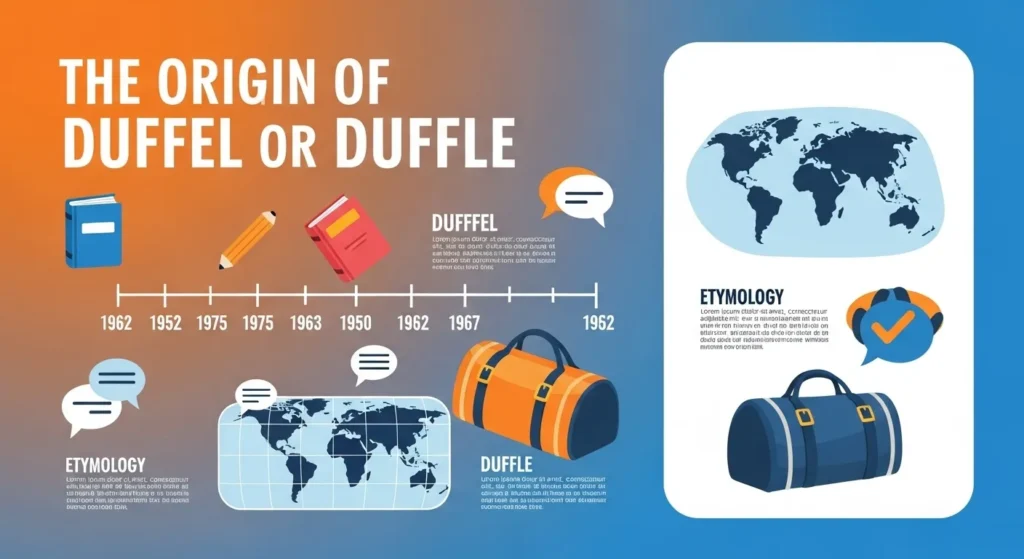
The Origin of Duffel or Duffle
Word History
The word comes from Duffel, a town in Belgium. This town was famous for producing a thick woolen cloth in the Middle Ages. That cloth was called duffel cloth.
At first, the word referred only to the fabric. Later, it described coats made from that cloth. Eventually, it became associated with bags made from similar strong material.
Why Two Spellings Exist
English often changes spellings of foreign place names. Over time:
- Duffel kept the original place spelling
- Duffle developed as a phonetic variant
Both forms entered English usage. Dictionaries accepted both.
Which Came First?
The place name Duffel came first. The spelling duffel is closer to the original source.
British English vs American English Spelling
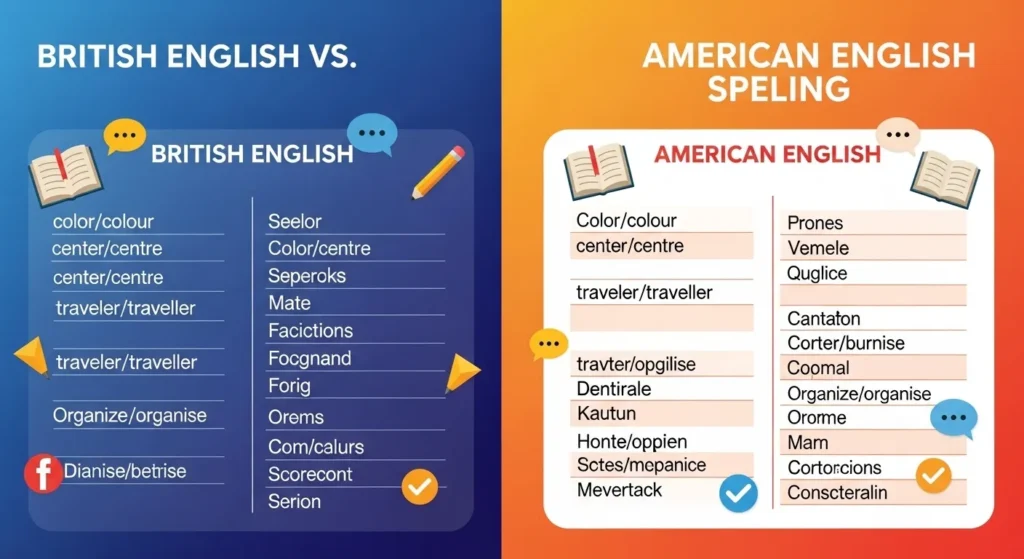
This difference is mainly about preference, not correctness.
American English
American English strongly prefers duffel.
Examples:
- A gym duffel bag
- A travel duffel
US retailers, news outlets, and style guides favor duffel.
British English
British English accepts both spellings.
Examples:
- A duffle coat
- A duffle bag
However, duffel is becoming more common in modern British writing, especially online.
Comparison Table
| Feature | American English | British English |
| Duffel | Preferred | Common |
| Duffle | Rare | Accepted |
| Formal writing | Duffel | Duffel or Duffle |
Which Spelling Should You Use?
For US Audiences
Use duffel. It is standard, expected, and professional.
For UK and Commonwealth Audiences
Both spellings are acceptable. Duffel is safer for global readers.
For Global English
Choose duffel. It is widely understood and friendly.
For Fashion and Traditional Contexts
You may see duffle coat in British fashion writing. This is an accepted fixed phrase.
Clear advice:
If unsure, write duffel.
Common Mistakes with Duffel or Duffle

Mistake 1: Thinking One Is Incorrect
❌ Duffle is wrong.
✅ Duffle is correct but less common.
Mistake 2: Mixing Spellings in One Text
❌ duffel bag and duffle bag
✅ duffel bag and duffel coat
Mistake 3: Assuming Strict US–UK Rules
This is about usage trends, not strict rules.
Mistake 4: Misspelling the Word
❌ duffal, dufflle
✅ duffel / duffle
🔍 Duffel vs Duffle: Meaning, Definition, and Correct Spelling
Many people search for “duffel vs duffle,” “is it duffel or duffle,” or “duffle vs duffel correct spelling.” The answer is that both are correct, but duffel is the preferred modern spelling.
If you are wondering about meaning, queries like “duffel meaning,” “duffle meaning,” or “definition of duffel” all point to the same idea: a large cylindrical bag used for travel or storage.
You may also see searches like “duffel definition,” “duffle definition,” or “what does duffle mean.” These confirm that both spellings refer to the same object, even though usage differs.
Spelling confusion appears in queries such as:
- “duffel spelling”
- “duffle spelling”
- “duffel bag spelling”
- “duffle bag spelling”
- “how do you spell duffle bag”
👉 Correct usage:
- Duffel bag (modern and preferred)
- Duffle bag (acceptable but less common)
Some users also search unrelated or incorrect forms like “guffle meaning” or “daffle meaning,” which are simply spelling errors.
👉 Key rule:
If you want safe and standard English, choose duffel.
Duffel or Duffle in Everyday Examples
In Emails
- I packed everything in my duffel bag.
- Please bring a small duffel for the trip.
In News Writing
- The suspect carried a black duffel bag.
- Travelers waited with heavy duffel bags.
On Social Media
- New gym duffel 💪👜
- Weekend trip with one duffel ✈️
In Formal Writing
- Equipment was stored in a durable duffel bag.
- Each recruit received a standard duffel.
In Fashion Writing
- A classic duffle coat remains popular in winter.
Duffel or Duffle – Google Trends & Usage Data
Search Popularity
Google Trends shows that duffel is searched more often than duffle.
Popularity by Country
- United States: Duffel dominates
- Canada: Duffel preferred
- United Kingdom: Mixed usage
- Australia: Duffel slightly higher
- India and Pakistan: Duffel common
Usage by Context
- Travel and luggage: Duffel
- Military and sports: Duffel
- Fashion coats: Duffle (UK)
The data shows a strong global preference for duffel.
Comparison Table: Duffel vs Duffle
| Point | Duffel | Duffle |
| Correct | Yes | Yes |
| Preferred | Yes | No |
| Modern usage | Very common | Less common |
| US English | Standard | Rare |
| UK English | Common | Common |
| Content friendly | Yes | Less |
⚖️ Duffel or Duffle Bag: Differences, Usage, and Plural Forms
Another common confusion includes “duffle or duffel bag,” “duffle bag or duffel bag,” and “difference between duffel and duffle.” The meaning is the same, but usage trends differ.
- Duffel bag → preferred globally
- Duffle bag → less common, seen in British usage
Plural forms also appear in searches like “duffles” or “duffle bags meaning.” The correct plural forms are:
- Duffel bags ✅
- Duffle bags ✅
Both are correct, but again, duffel bags is more widely used.
You may also see queries like:
- “duffel or duffle difference”
- “difference between duffle and duffel”
- “alternate spelling for duffle”
These all confirm the same idea: spelling varies, but meaning stays the same.
👉 Final tip:
- Use duffel for modern, global, and professional writing
- Use duffle only in specific or traditional contexts
Frequently Asked Questions
Is duffle a real word?
Yes. It is correct but less common.
Which spelling is better?
Duffel is better for modern use.
Is duffel American English?
It is preferred in American English.
Is duffle British English?
It appears more often in British usage.
Which spelling should I use for exams?
Use duffel.
What about duffle coat?
That phrase is accepted, especially in British English.
Which spelling is better for Content?
Duffel performs better globally.
Conclusion
The choice between duffel or duffle depends on modern usage and audience. Both spellings are correct, but duffel is clearly the preferred form today.
It matches the original place name from Belgium and dominates American English, global writing, online stores, and content.
If you want safe, professional, and widely accepted English, duffel is the best choice.
The spelling duffle still appears, especially in British English and in the fixed phrase duffle coat.
It is not wrong, but it is less common in general writing. Mixing both spellings in one document should be avoided.
For clarity, consistency, and strong com
munication, choose one form and stick with it. In most cases, that form should be duffel. This choice works well for emails, exams, blogs, academic writing, and business content.
Remember the simple rule: modern English follows usage trends, and usage clearly favors duffel.
Related posts!
missclick or misclick– Quick Answer
Jobs Medford OR: How to Find Work(2026)
Life or Death: What Is the Difference?

I am Michael T. Collins.I am a English language writer and researcher known for my work on grammar, vocabulary, and common word confusions. I focuses on explaining complex language rules in a simple, reader friendly way. My writing helps students, bloggers, and professionals improve clarity and accuracy in English.My content is especially popular among learners seeking practical, real world examples.