English learners often get confused between else’s or elses, especially when trying to show possession or ownership. Many search for “else’s or elses” to ensure proper grammar in writing, emails, or social media. Using the wrong form can make sentences unclear or unprofessional.
This article explains the correct usage, provides examples, highlights common mistakes, and gives clear guidance for proper writing.
The word else comes from Old English elles, meaning “otherwise” or “in addition.” Historically, else functioned mainly as an adverb, not a noun
The Origin of Else’s or Elses
Because of this, it does not behave like normal plural nouns in English.
When English speakers needed to show possession with words like someone else, the apostrophe was added to the entire phrase, not just the word someone
. Over time, this became standardized as else’s.
The spelling confusion exists because many English possessives end in -s, such as John’s or the girl’s.
Writers incorrectly apply the same logic and create elses, but English grammar rules do not support that form in normal usage.
British English vs American English Spelling
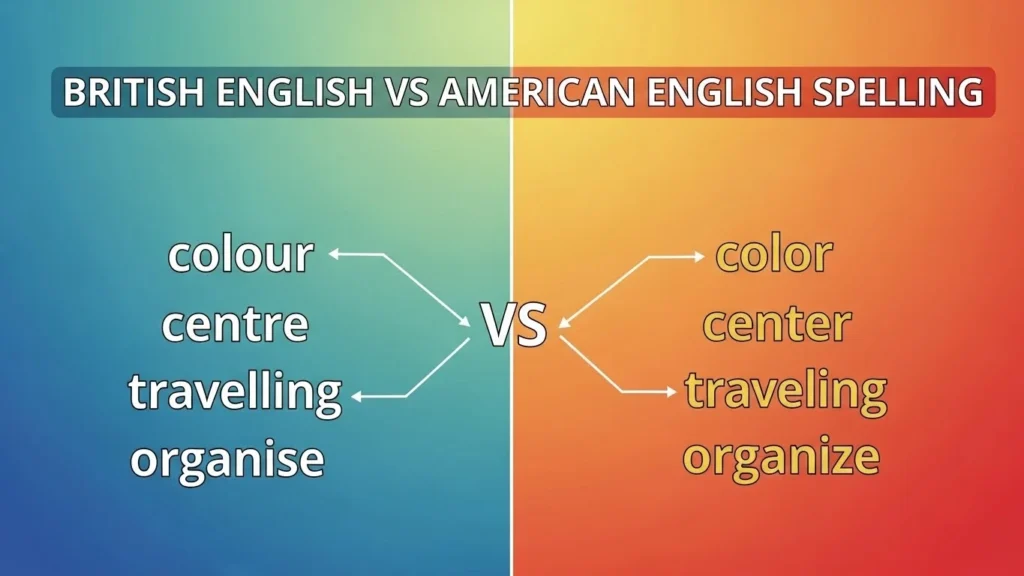
There is no difference between British and American English when it comes to else’s or elses. Both varieties follow the same rule.
Examples
- British English: That is someone else’s responsibility.
- American English: This is nobody else’s decision.
Comparison Table
| Feature | British English | American English |
| Correct form | else’s | else’s |
| Incorrect form | elses | elses |
| Grammar rule | Same | Same |
Which Spelling Should You Use?
You should always use “else’s” when showing possession.
- US audience: Use else’s
- UK/Commonwealth audience: Use else’s
- Global audience: Use else’s for clarity and correctness
There are no situations in standard modern English where elses is preferred.
Common Mistakes with Else’s or Elses
Mistake 1: Dropping the apostrophe
❌ This is someone elses phone. ✅ This is someone else’s phone.
Mistake 2: Adding extra words
❌ This is someone’s else phone. ✅ This is someone else’s phone.
Mistake 3: Using “elses” as a plural
❌ There are many elses to consider. ✅ There are many alternatives to consider.
Else’s or Elses in Everyday Examples
Emails
- Please do not touch anyone else’s files.
News
- The minister denied responsibility for someone else’s actions.
Social Media
- Fix your own problems, not someone else’s 😅
Formal Writing
- The decision should not depend on anybody else’s opinion.
Else’s or Elses : Google Trends & Usage Data
Search interest for “else’s or elses” is highest in English-learning regions such as:
- South Asia
- Southeast Asia
- Middle East
Most searches come from students, content writers, and professionals who want to avoid small grammar mistakes.
Usage data from online writing tools and search queries shows that else’s is the accepted and dominant form in books, news, and academic writing .
Elses appears mostly in informal writing or learner mistakes.
Comparison Table: Else’s vs Elses
read more about!Comparison Table
| Form | Correct? | Usage | Example |
| else’s | ✅ Yes | Possessive | someone else’s idea |
| elses | ❌ No | Incorrect | ❌ someone elses idea |
FAQs
Is “elses” ever correct?
In modern standard English, no. It is considered incorrect.
Why do we use an apostrophe with else’s?
The apostrophe shows possession of the whole phrase.
Is “someone else’s” one word?
No, it is a phrase with a possessive ending.
Can “else” be plural?
No. Else does not have a standard plural form.
Is there a difference in British and American English?
No. Both use else’s.
Can I use else’s in formal writing?
Yes. It is fully correct in formal English.
Advanced Grammar Notes: Else’s in Complex Sentences
Many learners understand else’s in simple phrases but feel confused in longer or complex sentences.
This section helps clear that doubt. When else appears with indefinite pronouns like someone, anyone, everyone, nobody, the possessive ’s is added to the end of the whole phrase, not after the pronoun alone.
Examples:
- It is someone else’s responsibility, not mine.
- She respected everybody else’s opinions.
- This should not become anyone else’s problem.
Notice how the apostrophe always comes after else, even though the main noun comes earlier. This rule stays the same in both spoken and written English.
Else’s with Wh‑Words
The same pattern applies when else is used with question words like who, what, where.
- Who else’s car is parked outside? ❌ (Incorrect)
- Who else’s car is parked outside? ✅ (Correct)
Here, else’s shows possession related to who, not else alone.
Else’s vs Other Possessive Structures
Writers sometimes replace else’s with longer phrases to avoid mistakes, but this is not necessary.
- Correct and natural: This is someone else’s idea.
- Overcomplicated: This idea belongs to someone other than me.
Using else’s keeps English natural, short, and fluent.
Formal and Legal Writing
In formal or legal English, else’s is fully acceptable and widely used.
- The damage was caused by someone else’s negligence.
- No party shall be held liable for anybody else’s actions.
Conclusion
Choosing between else’s or elses becomes easy once you understand the basic rule. Else’s is the correct possessive form, while elses is a common but incorrect spelling.
The confusion exists because else does not act like a normal noun, and English places the apostrophe at the end of the phrase to show possession.
Using the correct form improves clarity and professionalism in your writing. Whether you are writing emails, academic papers, news content, or social media posts, else’s is always the safe and correct choice
. There is no regional difference between British and American English, which makes the rule even simpler.
Remember this short rule: if you want to show ownership with else, always add ’s never just s.
With this guide, you now have a quick answer, detailed explanation, real examples, and professional advice to use else’s correctly every time.
related posts!

I am Lucas Miller. I am a English author known for writing simple and clear content about English spelling, word differences, and everyday language usage. I work focuses on helping students and ESL learners understand confusing English words easily. I believe that learning English should be stress-free and practical for daily life.