Losing is the correct spelling, while loosing is usually a mistake, and this simple answer clears up the confusion immediately.
Many people search for “loosing or losing” because these two words look almost the same, sound similar in fast speech, and often
appear in everyday writing like emails, exams, social media posts, and news comments. Spellcheck tools do not always catch the error, which makes writers unsure.
This confusion mainly affects English learners, students, bloggers, and professionals who want their writing to look correct and clear.
This article explains the difference in plain English, shows when each word is used, and helps you choose the right spelling every time with confidence.
Loosing or Losing – Quick Answer
Losing is the correct word in most cases.
It means to fail to keep something, to be defeated, or to experience loss.
Loosing is a real word, but it has a different and rare meaning: to release, untie, or set free.
Examples:
- I am losing my keys again. ✅
- Our team is losing the match. ✅
- He is loosing the rope from the post. ✅ (rare but correct)
❌ I am loosing my phone. (Incorrect)
The Origin of Loosing or Losing
Origin of Losing
The word losing comes from the Old English word losian, which means to perish, destroy, or be deprived of. Over time, it developed into lose, meaning to fail to keep or maintain something.
The present participle form became losing, which is now one of the most commonly used verbs in modern English.
Historically, losing has been used to describe:
- Losing a battle or game
- Losing money or possessions
- Losing control, time, or patience
This meaning has stayed consistent for centuries.
Origin of Loosing
Loosing comes from a different root: the Old English word lōsian and later loosen. It is connected to the idea of making something loose. The verb to loose means to untie, release, or free something that was bound.
Examples from older usage include:
- Loosing arrows from a bow
- Loosing animals from cages
Why the Spelling Confusion Exists
- Both words come from lose
- Double “o” changes the meaning
- Pronunciation sounds very similar
- People rely on sound instead of spelling
Because losing is far more common, many people accidentally write loosing when they mean losing.
British English vs American English Spelling
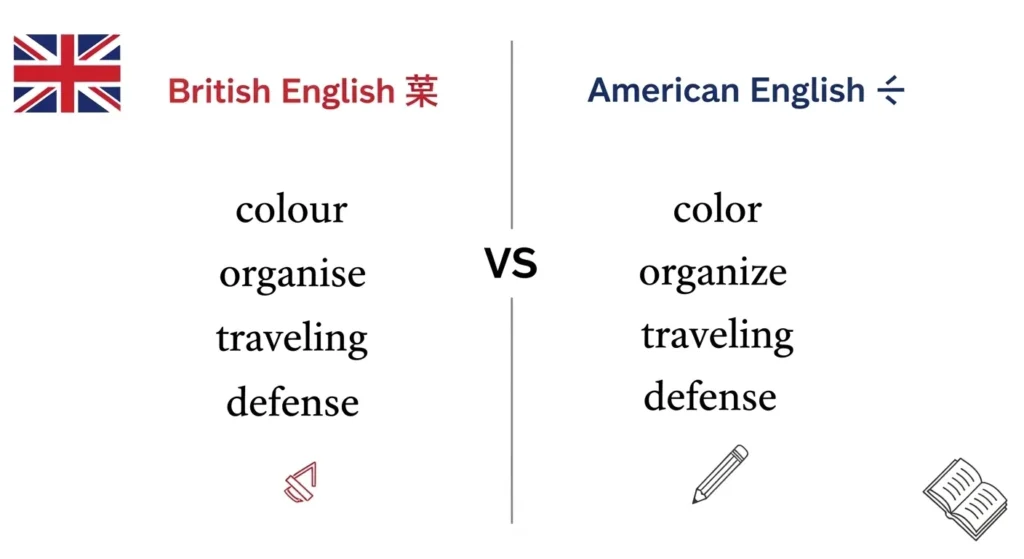
Unlike words such as colour/color or organise/organize, loosing and losing are not British vs American spellings. Both British and American English follow the same rules.
British English
- losing → correct for loss or defeat
- loosing → correct only for releasing or untying
Example:
- The company is losing money.
American English
American English uses the same forms and meanings.
Example:
- He is losing his temper.
Comparison Table
| Feature | Losing | Loosing |
| British English | Correct | Rare but correct |
| American English | Correct | Rare but correct |
| Common usage | Very common | Very rare |
| Main meaning | Loss or defeat | Release or untie |
Which Spelling Should You Use?
For US Audiences
Use losing when talking about failure, defeat, or not keeping something. Avoid loosing unless you clearly mean releasing something.
For UK and Commonwealth Audiences
The advice is the same. Losing is expected in most writing. Loosing is uncommon and can confuse readers.
For Global English Users
If your audience is international, losing is the safest choice. Many readers may not even recognize the verb loose in this form.
For Exams, Emails, and Professional Writing
Using loosing instead of losing is considered a spelling mistake. Always double check.
Is It Losing or Loosing? Common Sentence Questions Explained
Many writers search for specific sentence examples rather than general rules. Below are clear answers to the most common variations.
Is It Losing or Loosing a Person?
The correct phrase is:
✔ Losing a person
Example:
She is losing a close friend.
“Loosing a person” would mean releasing someone physically, which is rare in modern writing.
Losing or Loosing a Game?
✔ Our team is losing the game.
This refers to defeat. “Loosing a game” is incorrect.
Losing It or Loosing It?
✔ He is losing it.
“Losing it” means becoming upset, overwhelmed, or out of control.
“Loosing it” is incorrect in this context.
Loosing or Losing My Mind?
✔ I feel like I am losing my mind.
This is a common expression. “Loosing my mind” is a spelling mistake.
We Are Loosing or Losing?
✔ We are losing.
Example:
We are losing the match.
“We are loosing” would only be correct if you meant releasing something.
I Am Loosing or Losing?
✔ I am losing confidence.
“I am loosing” is almost always incorrect in modern English.
Is It Losing or Loosing (General Rule)?
In nearly all everyday contexts — exams, emails, conversations — the correct spelling is losing.
Use loosing only when something is being released or untied.
Losing vs Loosing Grammar
Grammatically:
- Losing = present participle of lose
- Loosing = present participle of loose
They are different verbs with different meanings.
Common Mistakes with Loosing or Losing
Mistake 1: Using “Loosing” Instead of “Losing”
❌ I am loosing confidence. ✅ I am losing confidence.
Mistake 2: Thinking Extra “O” Means Past or Continuous Tense
Some writers think adding an extra “o” changes tense. It does not.
Mistake 3: Confusing “Loose” and “Lose”
- Loose = not tight
- Lose = fail to keep
Mistake 4: Ignoring Context
If no one is being released or untied, loosing is probably wrong.
Loosing or Losing in Everyday Examples
Emails
- We are losing clients due to delays.
- Please stop losing important files.
News Writing
- The party is losing public support.
- The team is losing its star player.
Social Media
- I keep losing my charger 😅
- We are losing this game badly.
Formal and Academic Writing
- The company is losing market share.
- Patients risk losing access to care.
Rare but Correct Use of “Loosing”
- The guards are loosing the prisoners.
- He is loosing the knots carefully.
Spelling, Definitions, and Word Form Differences
Some confusion happens because people are unsure about spelling and definitions. Let’s clarify.
How to Spell Loosing or Losing
Correct everyday spelling: losing
Incorrect in most cases:
❌ loosing
❌ loosings
If you mean defeat or loss, always choose losing.
Spell Loosing
“Loosing” is spelled with double “o,” but remember it is rarely used.
Example (correct but uncommon):
The archer is loosing arrows.
How Do You Spell Loosing?
If you are talking about defeat or failure, the correct spelling is:
✔ losing
Double-check before submitting exams or professional work.
Lose, Losing, and Loose
- Lose = base verb
- Losing = present participle
- Loose = adjective meaning not tight
- Loosing = releasing something
Example:
Do not lose your keys.
You are losing focus.
The screw is loose.
Meaning of Loosing
“Loosing” means releasing, freeing, or untying something.
It is mostly found in older texts or historical writing.
Loosing vs Losing Definition
- Losing → experiencing loss or defeat
- Loosing → setting free or untying
The meanings are completely different.
Difference Between Losing and Loosing
The difference is based on the root verb:
Lose → losing (very common)
Loose → loosing (rare)
Most modern writing requires losing.
Loosing or Losing UK Usage
There is no difference between UK and US English.
British English and American English both use:
✔ Losing (for loss or defeat)
✔ Loosing (rare, for releasing)
Loosing or Losing – Google Trends & Usage Data
Search data shows that “loosing or losing” is a very popular grammar query worldwide. This suggests ongoing confusion among learners and writers.
Countries with High Search Interest
- United States
- United Kingdom
- India
- Pakistan
- Philippines
- Canada
Usage by Context
- Losing appears in books, exams, articles, emails, and news
- Loosing appears rarely, mostly in historical or literary contexts
In modern English, losing dominates everyday usage by a large margin.
Comparison Table: Loosing vs Losing
| Word | Correct? | Meaning | Example |
| losing | Yes | experiencing loss | losing money |
| loosing | Yes (rare) | releasing or untying | loosing arrows |
FAQs About Loosing or Losing
Is “loosing” always wrong?
No. It is correct when it means releasing or untying, but this use is rare.
Why do people confuse loosing and losing?
Because they sound similar and differ by only one letter.
Is this a British vs American spelling issue?
No. Both varieties use the same spellings.
Can spellcheck catch this mistake?
Sometimes no, because both are real words.
Which word is more common?
Losing is far more common in modern English.
Will exams mark “loosing” as wrong?
Yes, if you mean losing.
How can I remember the difference?
Remember: lose → losing (one “o” gone).
Conclusion
The confusion between loosing or losing is one of the most common spelling problems in English, but the rule is simple once you understand it.
Losing is the word you need in almost all everyday situations. It refers to failure, defeat, or not being able to keep something.
From losing keys and money to losing games and confidence, this spelling is correct, standard, and expected in modern English.
Loosing, on the other hand, is a real word but has a very specific and rare meaning. It refers to releasing, untying, or setting something free.
Because this situation appears far less often in daily writing, many readers may find it confusing or assume it is a mistake.
There is no difference between British and American English here. The rule is global. If you are writing emails, essays, blog posts, news articles, or exam answers, choosing losing will almost always be right.
A simple memory trick helps: when you are losing, one “o” is already gone. Keeping this in mind will help you avoid errors and write with greater clarity and confidence.
Related posts!
Weather or Whether : Quick Answer
Issac or Isaac: Which Spelling Is Correct?✨
Its vs It’s: What Is the Difference and When to Use Each?

I am Lucas Miller. I am a English author known for writing simple and clear content about English spelling, word differences, and everyday language usage. I work focuses on helping students and ESL learners understand confusing English words easily. I believe that learning English should be stress-free and practical for daily life.