Many people search for “swoll or swole” because both words are widely used online, especially in fitness culture, gym conversations, memes, and social media captions. At first glance, they seem to mean the same thing:
big muscles, strength, or physical growth. But when it comes to correct spelling, formal writing, and standard English, confusion
begins. Is swoll a real word? Is swole slang or proper English? And which one should you use in professional or global content?
This confusion exists because English constantly evolves. New words appear through slang, pop culture, and internet trends, and sometimes they feel “real” even when they are not
formally accepted. Fitness influencers, rappers, athletes, and everyday users have made swole extremely popular, while swoll often appears as a misspelling or informal variant.
People want to know which spelling is correct, which is accepted in dictionaries, and which one looks professional in writing.
This article solves that confusion clearly and simply. You will get a quick answer, learn the origin of swoll and swole, understand British vs American usage, see real-life
examples, explore Google Trends data, and get professional advice on which spelling to use and when.
Swoll or Swole:Quick Answer
Swole is the correct and widely accepted slang term meaning muscular, built, or swollen from exercise.
Swoll is not standard English and is generally considered an informal misspelling of swole or swollen.
Examples:
- He looks swole after months of training. ✅
- She’s getting swole at the gym. ✅
❌ He looks swoll after workouts. (Informal / incorrect in standard writing)
The Origin of Swoll or Swole

The word swole comes from the past tense of the verb “swell.”
- Base verb: swell
- Past tense: swelled / swole
- Past participle: swollen
Historically, “swole” existed in English as a poetic or archaic past tense of swell. Over time, it fell out of everyday use and was replaced by swelled.
However, in modern times, fitness culture revived swole as slang to describe muscles that look swollen due to exercise.
The spelling “swoll” does not come from historical grammar rules. Instead, it appeared through internet usage, casual typing, and phonetic spelling.
People wrote swoll because it sounds like swole, but it never gained dictionary-level acceptance.
That is why spelling differences exist:
- Swole → revived slang with historical roots
- Swoll → informal, nonstandard spelling
British English vs American English Spelling
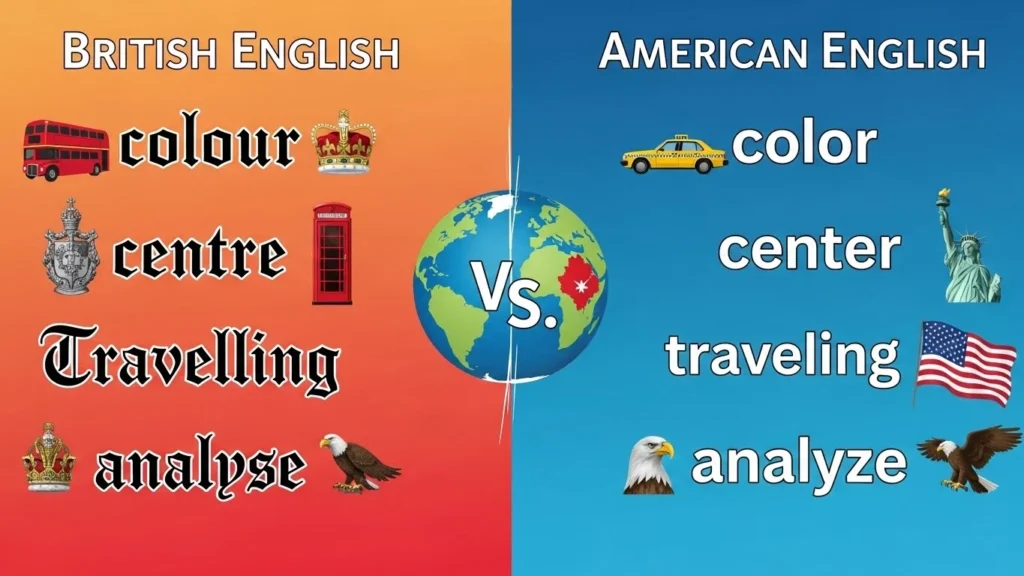
The usage of swole is mainly associated with American English, especially in gym culture, social media, and pop slang. British English traditionally prefers “muscular,” “well-built,” or “strong” instead.
Swoll is not accepted in either British or American standard English.
Examples
- American English: He got swole after a year of lifting.
- British English: He became very muscular after training.
Comparison Table
| Feature | American English | British English |
| Swole | Common slang | Rare / informal |
| Swoll | Incorrect | Incorrect |
| Formal alternative | Muscular | Muscular |
Which Spelling Should You Use?
Your choice depends on audience and context.
For US Audiences
- Use “swole” in casual, fitness, or social media contexts
- Avoid it in academic or formal writing
For UK & Commonwealth Audiences
- Avoid both swole and swoll
- Use muscular, well-built, strong
Global or Professional Content
- Avoid slang
- Use clear, standard terms like muscular physique
Professional Tip: If your content is for blogs, exams, news, or business do not use swoll at all.
Common Mistakes with Swoll or Swole
Mistake 1: Thinking “swoll” is correct
❌ He is really swoll now. ✅ He is really swole now. (casual)
Mistake 2: Using slang in formal writing
❌ The athlete looked swole in the report. ✅ The athlete looked muscular in the report.
Mistake 3: Confusing “swole” with “swollen”
❌ My ankle is swole. ✅ My ankle is swollen.
Swoll or Swole in Everyday Examples
Emails
- Informal: He’s getting swole at the gym.
- Formal: He has developed a muscular build.
News
- Correct: The boxer showed a strong, muscular physique.
Social Media
- Gym life 💪 Getting swole every day!
Formal Writing
- Avoid both terms; use standard descriptors.
Swoll or Swole:Google Trends & Usage Data
Search trends show that “swole” is far more popular than “swoll.”
- United States: High usage of swole in fitness slang
- Canada & Australia: Moderate usage
- UK: Very low usage
- South Asia: Searches mostly related to spelling confusion
Most Google searches are intent-based:
- “Is swoll a word?”
- “Swoll or swole which is correct?”
This shows that users want clarity and correctness, not slang alone.
Comparison Table: Swoll vs Swole
| Word | Correct? | Type | Usage |
| Swole | Yes | Slang | Casual / fitness |
| Swoll | No | Misspelling | Avoid |
| Muscular | Yes | Standard English | Formal |
FAQs
Is “swoll” a real word?
No. Swoll is not standard English and should be avoided.
Is “swole” in the dictionary?
Yes. Many dictionaries list swole as slang.
Can I use “swole” in exams?
No. Use muscular instead.
Is “swole” American slang?
Yes, it is mainly used in American fitness culture.
Which is correct for writing articles?
Use muscular or well-built.
Can “swole” mean swollen?
In slang, yes but standard English uses swollen.
readmore about!The Origin of Broche or Brooch
Conclusion
The confusion between swoll or swole comes from slang usage and internet culture. While both words appear online, only “swole” is recognized as a valid slang term, and even then, it should be used carefully. “Swoll” is not correct English and is best avoided in all professional, academic, and formal contexts.
If you are writing casually, especially for fitness-related content or social media aimed at American audiences, swole is acceptable. However, for global readers, exams, blogs, news
articles, or business communication, it is always better to choose standard English words like muscular, strong, or well-built.
Understanding your audience is key. Slang can add personality, but correctness builds credibility. By following the guidance in this article, you can confidently choose the right word every time and avoid common spelling mistakes.
Related posts!
Comparison Table: Broche vs Brooch

I am Michael T. Collins.I am a English language writer and researcher known for my work on grammar, vocabulary, and common word confusions. I focuses on explaining complex language rules in a simple, reader friendly way. My writing helps students, bloggers, and professionals improve clarity and accuracy in English.My content is especially popular among learners seeking practical, real world examples.