“Tons” and “tonnes” both mean a large weight, but they are used in different countries. People search for “tons or tonnes” because they hear both words in news, science, and
everyday talk and want to know which one is right.The confusion is real because both words sound similar and both refer to heavy weight.
The key difference is that “ton” (US) is shorter and slightly lighter, while “tonne” (UK/metric) is heavier and used globally.
This article will explain the meaning, origin, spelling differences, and correct use in different contexts.
Tons or Tonnes: Quick Answer
“Tons” and “tonnes” both mean weight, but they are not the same.
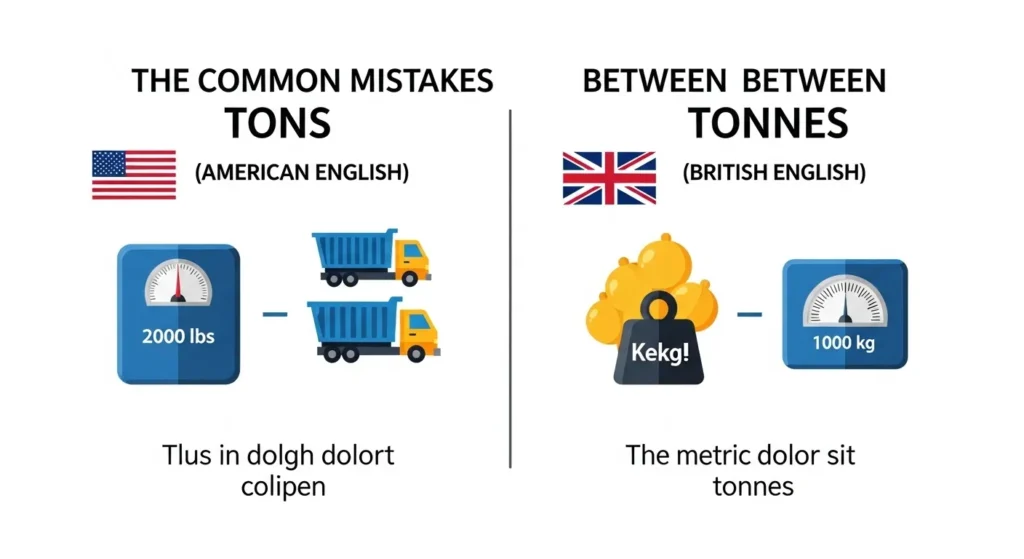
- Tons (US Ton) = 2,000 pounds
- Tonnes (Metric Ton) = 1,000 kilograms (≈ 2,204.62 pounds)
Examples:
- The truck carried 10 tons of steel.
- The ship delivered 10 tonnes of rice.
Quick rule:
If you are in the United States, use tons.
If you are in the UK, Europe, or most of the world, use tonnes.
The Origin of Tons or Tonnes
Where “Ton” Came From
The word “ton” comes from old English and was used for large barrels of wine or goods. In the past, a “tun” meant a large barrel.
Later, the word changed into “ton” and became a unit of weight. The United States kept this word and used it as 2,000 pounds.
Where “Tonne” Came From
“Tonne” is a metric term. The metric system started in France in the late 1700s. When the metric system spread worldwide, the word “tonne” was added to represent 1,000 kilograms.
Why the Spelling Difference Exists
- “Ton” is older and part of the imperial system.
- “Tonne” is modern and part of the metric system.
- Many countries use metric units, so they prefer tonnes.
So, the difference is not about spelling style. It is about different measurement systems.
British English vs American English Spelling
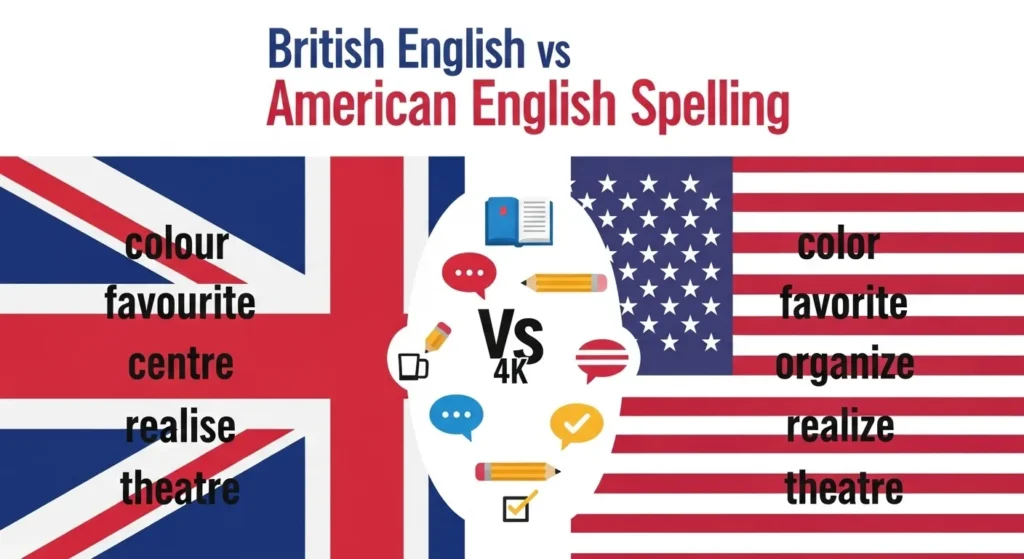
This is not a classic spelling difference like colour vs color. Instead, it is a measurement system difference.
British English
- Uses tonnes (metric system)
- “Ton” is sometimes used, but it usually means “long ton” (2,240 pounds)
American English
- Uses tons (US customary system)
- The word “tonne” is not common in everyday use
Comparison Table
| Feature | Tons | Tonnes |
| Used mainly in | USA | UK, Europe, most of world |
| System | US customary | Metric |
| Weight | 2,000 pounds | 1,000 kg (≈ 2,204.62 lbs) |
| Spelling | tons | tonnes |
| Common in | everyday US writing | science, global trade |
Which Spelling Should You Use?
If You Are in the United States
Use tons in almost all situations:
- News articles
- Emails
- School assignments
- Business writing
Example:
“The truck carried 5 tons of gravel.”
If You Are in the UK or Commonwealth Countries
Use tonnes, especially in formal writing:
- Government reports
- Scientific papers
- News media
Example:
“The factory produced 20 tonnes of waste.”
If You Are Writing for a Global Audience
Use tonnes because it is the standard metric unit used worldwide.
If you want to include both, write like this:
“The shipment weighed 10 tonnes (≈ 11 tons).”
Common Mistakes with Tons or Tonnes
Mistake 1: Using “tons” in metric countries
❌ “The package weighs 5 tons.” (UK report)
✅ “The package weighs 5 tonnes.”
Mistake 2: Using “tonnes” in US reports
❌ “The building used 10 tonnes of steel.” (US business email)
✅ “The building used 10 tons of steel.”
Mistake 3: Mixing both without conversion
❌ “The cargo was 10 tons (no conversion).”
✅ “The cargo was 10 tons (≈ 9.07 tonnes).”
Mistake 4: Thinking they are the same weight
❌ “1 ton = 1 tonne”
✅ “1 tonne is slightly heavier than 1 ton.”
Tons or Tonnes in Everyday Examples
Emails
- US email: “We shipped 12 tons of material.”
- UK email: “We shipped 12 tonnes of material.”
News Articles
- “The hurricane dumped 500 tonnes of debris.”
- “The factory produced 200 tons of waste.”
Social Media
- “This tree is 2 tons heavy!”
- “The truck carried 2 tonnes of sand.”
Formal Writing
- “The project will reduce emissions by 50 tonnes per year.”
- “The shipment weighed 40 tons.”
Tons or Tonnes: Google Trends & Usage Data
People search for “tons or tonnes” when they read news, watch documentaries, or study science. They want to know which word fits their country or context.
Countries Where the Search Is Common
- United States
- United Kingdom
- India
- Canada
- Australia
Why the Search Happens
- Different measurement systems in different countries
- Confusion between metric and imperial units
- Need for correct spelling in essays, exams, and articles
Usage by Context
- Tons is more common in US-based writing and everyday speech.
- Tonnes is more common in science, global trade, and international writing.
Comparison Table (Keyword Variations Side by Side)
| Term | System | Weight | Common Use |
| tons | US customary | 2,000 lbs | US writing |
| tonnes | Metric | 1,000 kg | Global writing |
| long ton | Imperial | 2,240 lbs | UK historical |
| short ton | US | 2,000 lbs | US commercial |
FAQs
1. Is “tonnes” correct in the US?
Usually no. The US uses tons, not tonnes.
2. Is “tons” correct in the UK?
It can be, but tonnes is more correct in formal writing.
3. Are tons and tonnes the same?
No. A tonne is slightly heavier than a ton.
4. How many pounds is a tonne?
1 tonne ≈ 2,204.62 pounds.
5. Why do some people use “tonne”?
Because the metric system is used worldwide, and “tonne” is the standard metric term.
6. Should I use tonnes in school reports?
Yes, especially if your school uses the metric system.
7. Can I write both in one sentence?
Yes. Example:
“The shipment weighed 10 tonnes (≈ 11 tons).”
Conclusion
The difference between tons or tonnes is simple but important. Tons is the US version and equals 2,000 pounds, while tonnes is the metric version and equals 1,000 kilograms (≈ 2,204.62 pounds).
The spelling difference is not just a style issue. It reflects two different measurement systems: imperial (US) and metric (global).
If you are writing for a US audience, use tons. If you are writing for the UK, Europe, or a global audience, use tonnes.
Many people mix these terms because both mean heavy weight and both sound similar. However, using the wrong term can confuse readers or look unprofessional.
The safest rule is to use tonnes for international or scientific writing, and tons for US-based writing.
If you want to be extra clear, include both values in one sentence. This helps your readers understand the exact weight and avoids confusion.
Related posts!
The Origin of Weather or Whether

I am Daniel Wright. I am a English language writer. I focuse on word comparisons and common spelling confusions.
I simplifies tricky English terms to help learners and writers avoid everyday mistakes.
My work is especially useful for students, bloggers, and non-native English readers.
Daniel believes clear language builds confident communication.