Does vs Do: Correct Grammar Explained Clearly 🧠
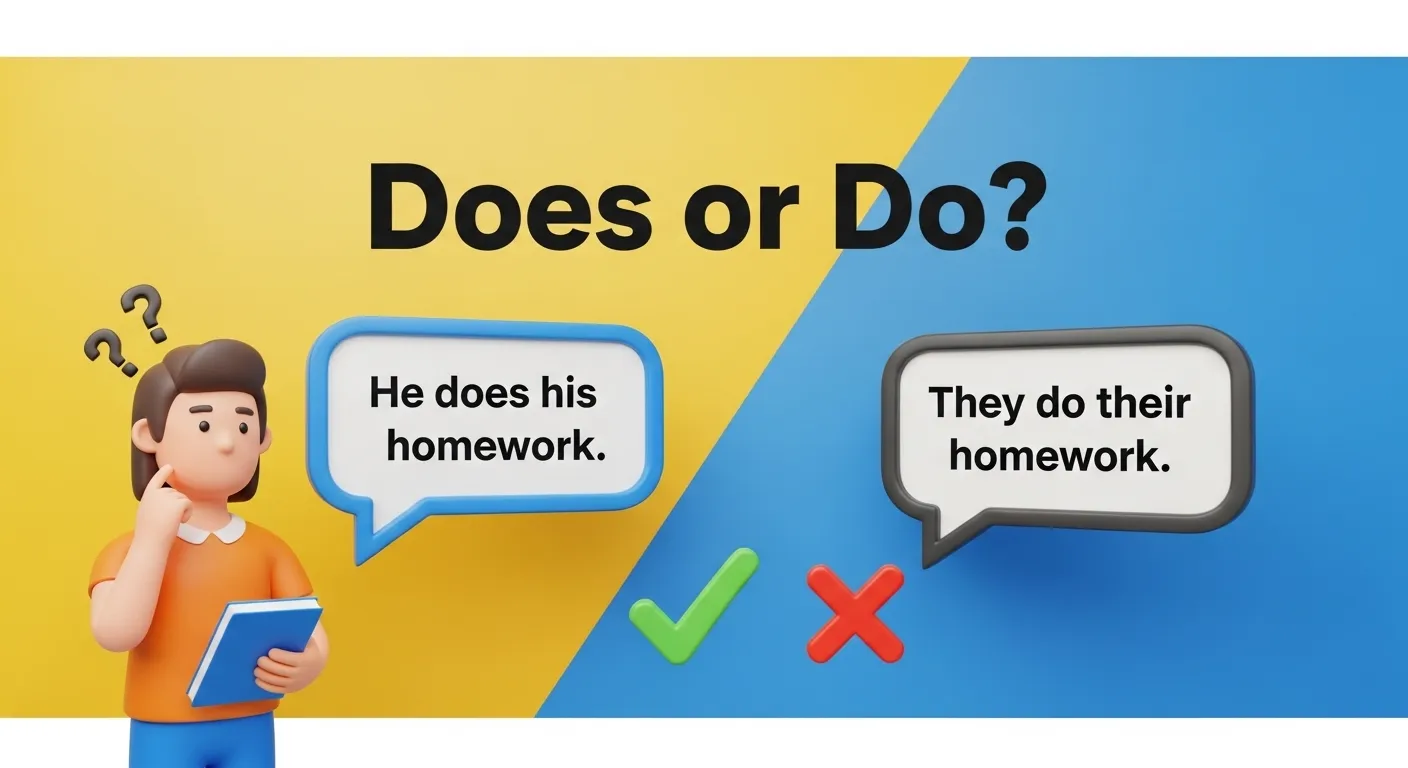
Do is used with I, you, we, and they, while does is used with he, she, and it. Many learners ...
Read more
Worshipper or Worshiper: Meaning and Examples

Worshipper and worshiper are both correct spellings. Many people search for “worshipper or worshiper” because they look almost the same ...
Read more
Shiesty or Sheisty: Grammar Rules Made Simple
Shiesty is the correct and accepted spelling in modern English. Many people search for “shiesty or sheisty” because both spellings ...
Read more
Knives or Knifes: Which One Is Correct? 🔪✨
The correct spelling is “knives.” Many people get confused because “knife” ends with an -fe, which changes to -ves in ...
Read more
Preventative or Preventive: Meaning, Usage, and Examples
Preventive is the preferred and standard form, while preventative is also accepted but less common. Many people search for “preventative ...
Read more
Furthest or Farthest: Meaning And Examples
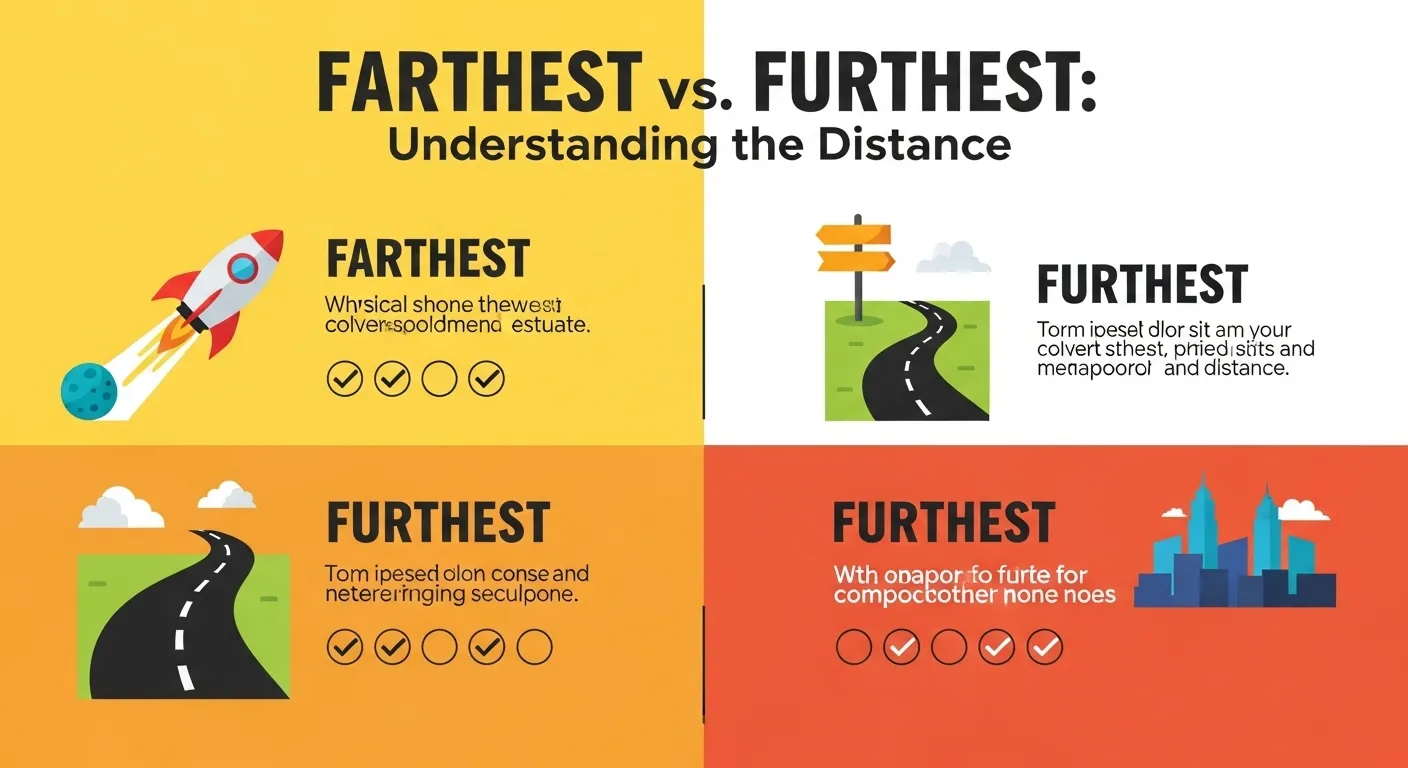
Farthest and furthest are both correct, but they are used in slightly different ways, and this quick answer solves the ...
Read more
Tons or Tonnes: Meaning and Usage
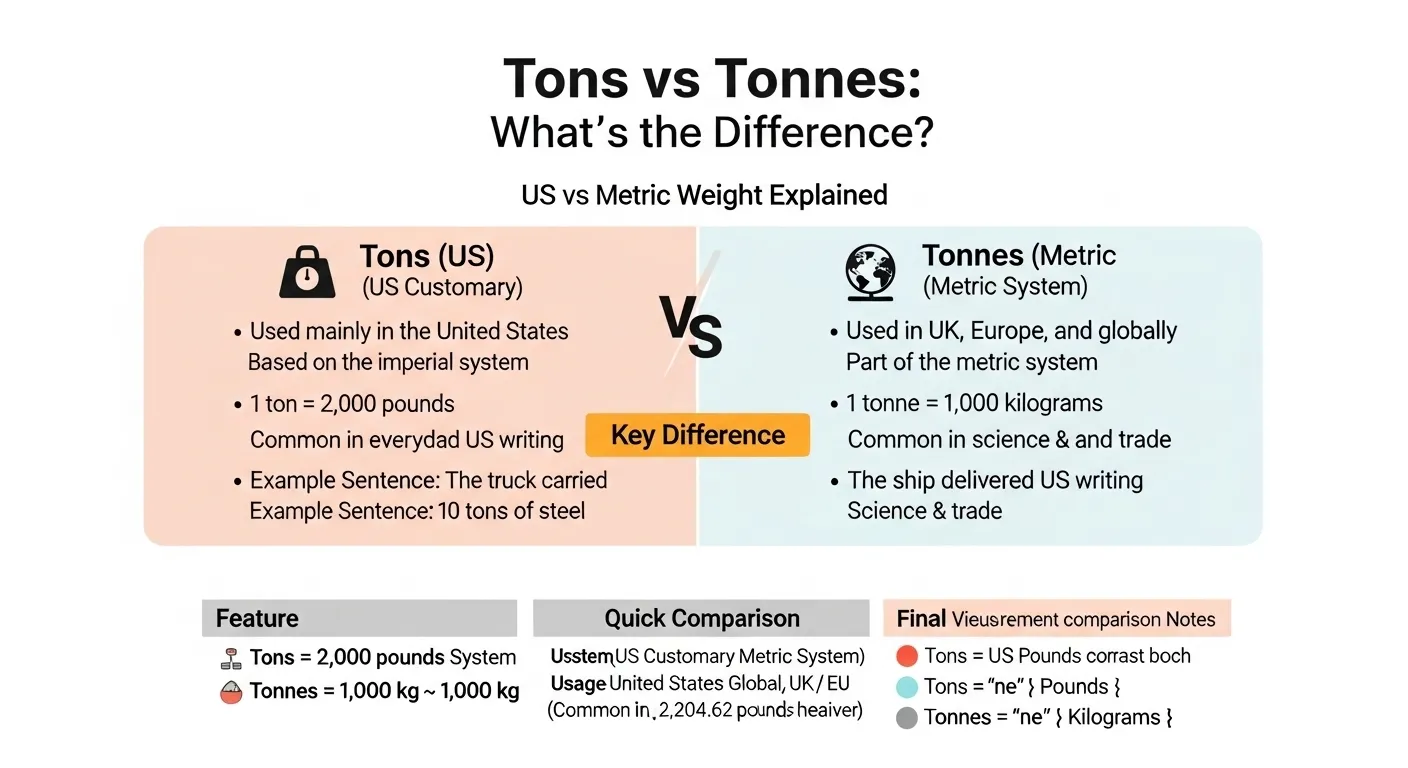
“Tons” and “tonnes” both mean a large weight, but they are used in different countries. People search for “tons or ...
Read more
Dreamt or Dreamed: Which One Is Correct?With In 30 Seconds
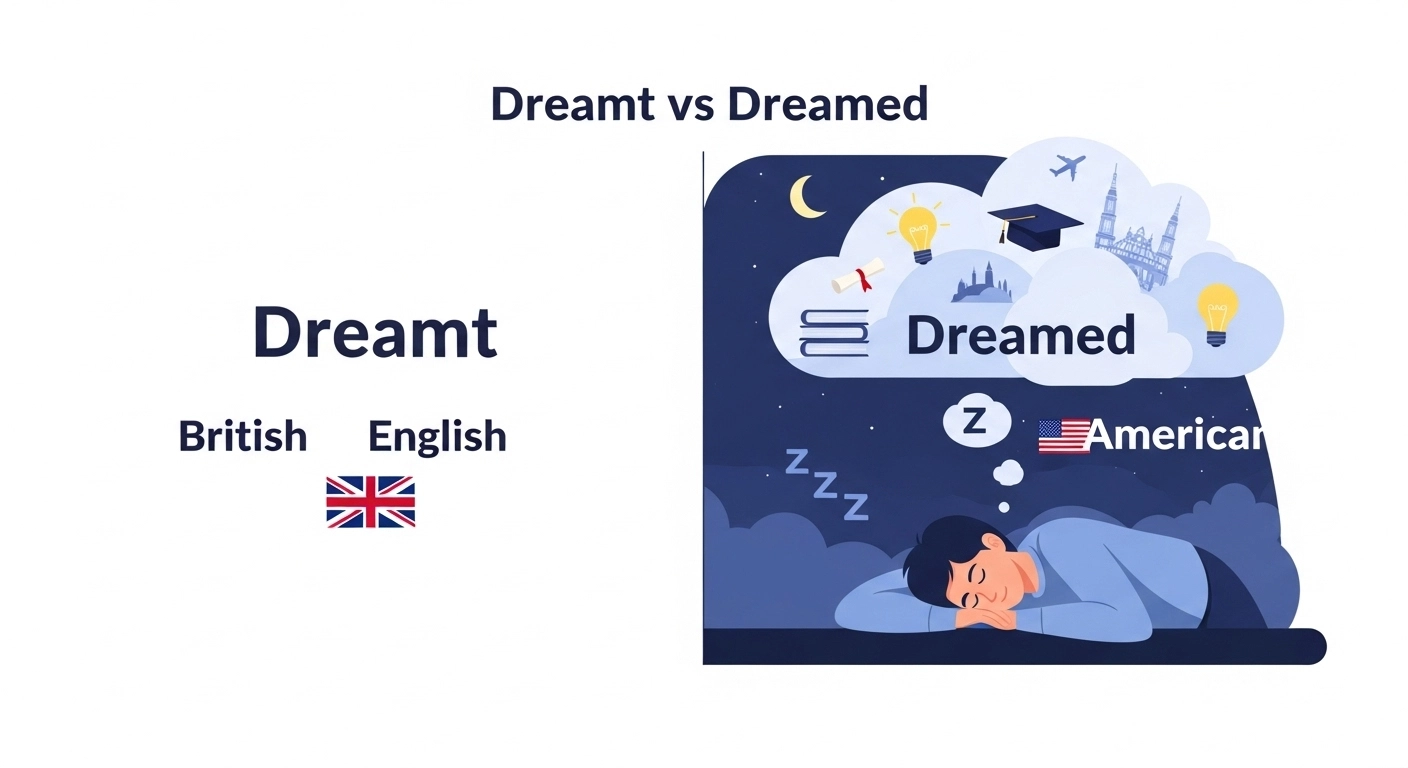
Both dreamt and dreamed are correct spellings, and knowing this answer removes confusion right away. Many people search for “dreamt ...
Read more
Chose or Choose: Which One Is Correct?
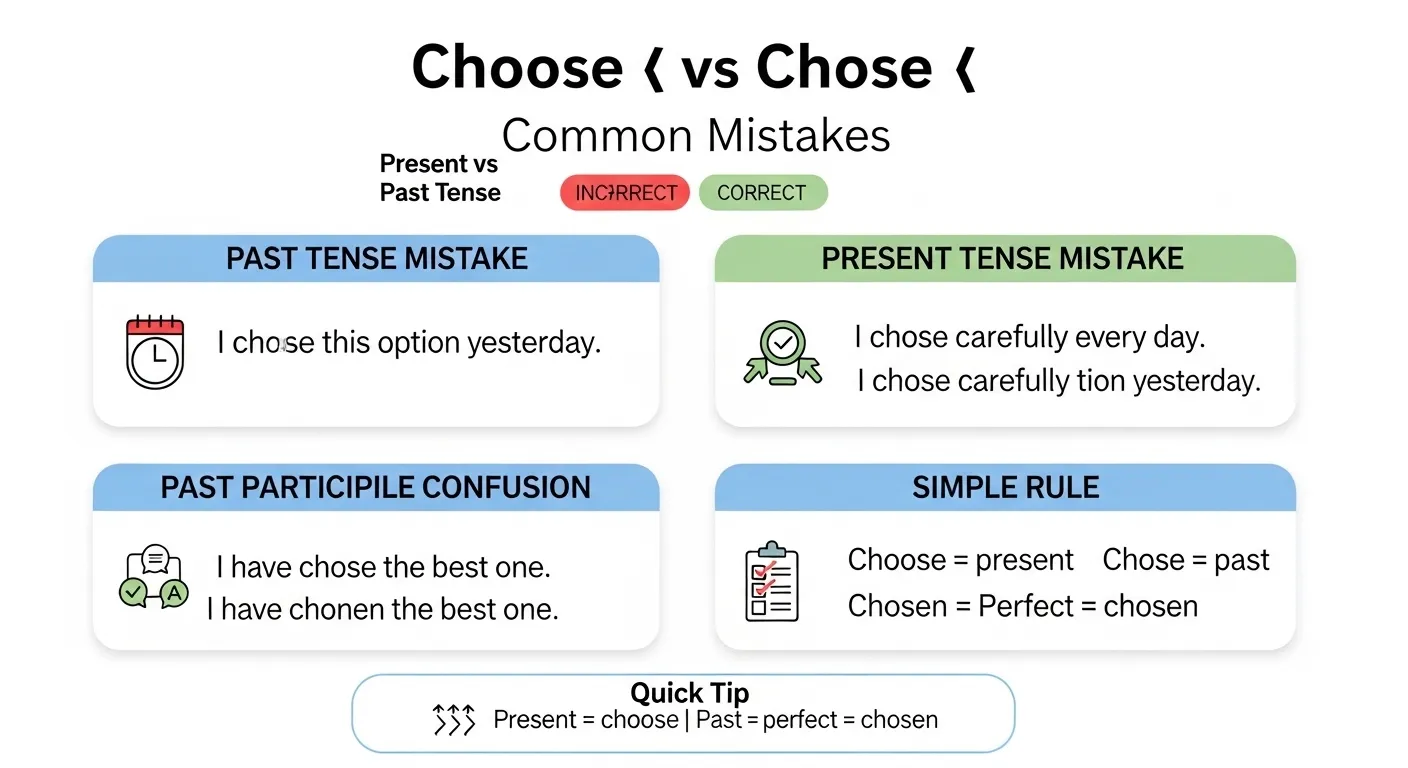
Choose is present tense (correct for current actions), while chose is past tense (used for actions already completed). Many English ...
Read more
Eachother or Each Other: Which One Is Correct?

“Each other” is correct (two words); “eachother” is incorrect in standard English. English learners, students, and even professional writers often ...
Read more
