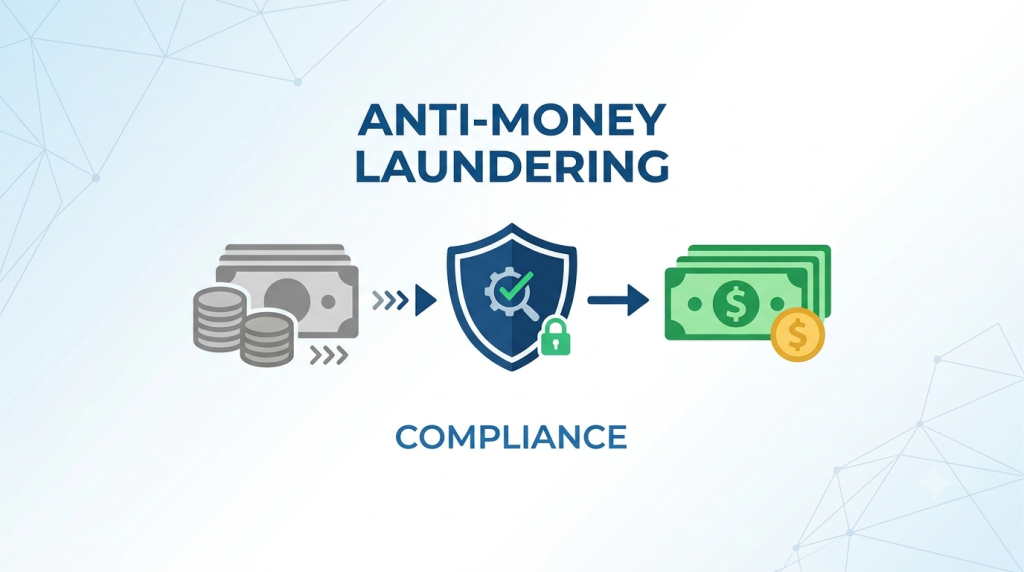
Financial crime continues to evolve as criminals adopt sophisticated techniques to bypass traditional compliance controls. In response, organizations across the financial sector are investing in advanced technologies to strengthen their anti-money laundering (AML) programs. Modern anti money laundering systems are no longer limited to basic transaction reviews; they now leverage automation, artificial intelligence, and real-time analytics to improve risk detection and regulatory compliance.
As regulatory expectations increase worldwide, businesses are seeking innovative solutions from trusted aml providers to enhance operational efficiency and minimize compliance risks. Understanding the latest technology trends can help organizations stay ahead of emerging threats while maintaining a strong compliance framework.
The Growing Importance of AML Technology
Financial institutions face mounting pressure to detect suspicious activities quickly and accurately. Manual compliance processes often struggle to keep pace with increasing transaction volumes and evolving criminal methodologies. This challenge has accelerated the adoption of intelligent aml monitoring systems that can analyze large datasets and identify unusual patterns more effectively.
Modern AML technology enables organizations to improve investigation workflows, reduce operational burdens, and support more informed risk-based decisions. As a result, many institutions are reassessing their compliance strategies and exploring advanced solutions offered by leading aml vendors.
Artificial Intelligence and Machine Learning Integration
Artificial intelligence (AI) and machine learning have become major drivers of innovation in AML compliance. These technologies can analyze historical transaction data, identify hidden patterns, and continuously improve detection capabilities over time.
Unlike traditional rule-based approaches, AI-powered systems can adapt to changing criminal behaviors and reduce the number of irrelevant alerts generated during monitoring processes. This improvement helps compliance teams focus their attention on genuinely suspicious activities while enhancing overall operational efficiency.
Many organizations evaluating the best aml software now prioritize AI-driven capabilities due to their ability to strengthen financial crime prevention efforts and improve investigative outcomes.
Enhanced Real-Time Transaction Monitoring
Real-time monitoring has emerged as a critical requirement for effective financial crime prevention. Instead of reviewing transactions after they occur, organizations can identify and address suspicious behavior as it happens.
Advanced monitoring platforms provide several important benefits:
- Faster detection of unusual transaction patterns
- Improved risk assessment across customer activities
- More efficient compliance investigations
- Reduced false positive alerts
- Stronger regulatory reporting capabilities
These advantages have contributed to the widespread adoption of modern aml monitoring systems across banks, fintech companies, and other regulated entities.
Advanced Screening and Risk Intelligence
Customer screening remains a cornerstone of AML compliance. However, traditional screening methods often struggle to keep up with constantly changing sanctions lists, politically exposed person (PEP) databases, and adverse media sources.
Today’s aml screening tools leverage automation and intelligent data matching to deliver more accurate and comprehensive results. Enhanced screening technology allows organizations to identify high-risk individuals and entities while minimizing unnecessary disruptions to customer onboarding processes.
Companies such as AML Watcher are helping organizations improve screening accuracy by providing access to extensive risk intelligence data and continuously updated compliance information.
Cloud-Based AML Solutions
Cloud technology continues to reshape the compliance landscape. Many organizations are moving away from legacy infrastructure and adopting cloud-based AML platforms to achieve greater flexibility and scalability.
Cloud deployment offers several advantages, including faster implementation, simplified maintenance, and improved accessibility for compliance teams operating across multiple locations. It also enables organizations to quickly adapt to changing regulatory requirements without major infrastructure investments.
As demand grows for scalable compliance technology, leading aml providers are increasingly offering cloud-native solutions designed to support both small institutions and large enterprises.
Data Analytics and Predictive Risk Detection
Data analytics has become a powerful tool for identifying emerging financial crime risks. Advanced analytics platforms can consolidate information from multiple sources, allowing compliance teams to gain deeper insights into customer behavior and transaction activity.
Predictive analytics further enhances risk management by identifying potential threats before they escalate into significant compliance issues. This proactive approach enables organizations to allocate resources more effectively and strengthen their overall risk management strategies.
Many aml vendors are incorporating predictive capabilities into their solutions to help institutions respond more effectively to evolving financial crime threats.
Automation of Compliance Workflows
Automation is transforming how compliance teams manage investigations, reporting, and case management processes. Automated workflows reduce manual tasks, improve consistency, and enable faster decision-making across AML operations.
Organizations implementing automation within their anti money laundering systems often experience significant improvements in productivity and regulatory readiness. Automated case routing, alert prioritization, and documentation management help compliance professionals focus on higher-value investigative activities.
The Future of Financial Crime Prevention
The future of AML compliance will be shaped by continued innovation in artificial intelligence, analytics, automation, and risk intelligence. Organizations that embrace these technologies will be better positioned to detect suspicious activities, manage regulatory obligations, and protect their institutions from financial crime.
As technology advances, businesses will continue to evaluate the best aml software and partner with trusted providers such as AML Watcher to strengthen their compliance frameworks. By leveraging intelligent aml screening tools, advanced monitoring capabilities, and data-driven risk management strategies, organizations can build more resilient defenses against increasingly sophisticated financial crime threats.

