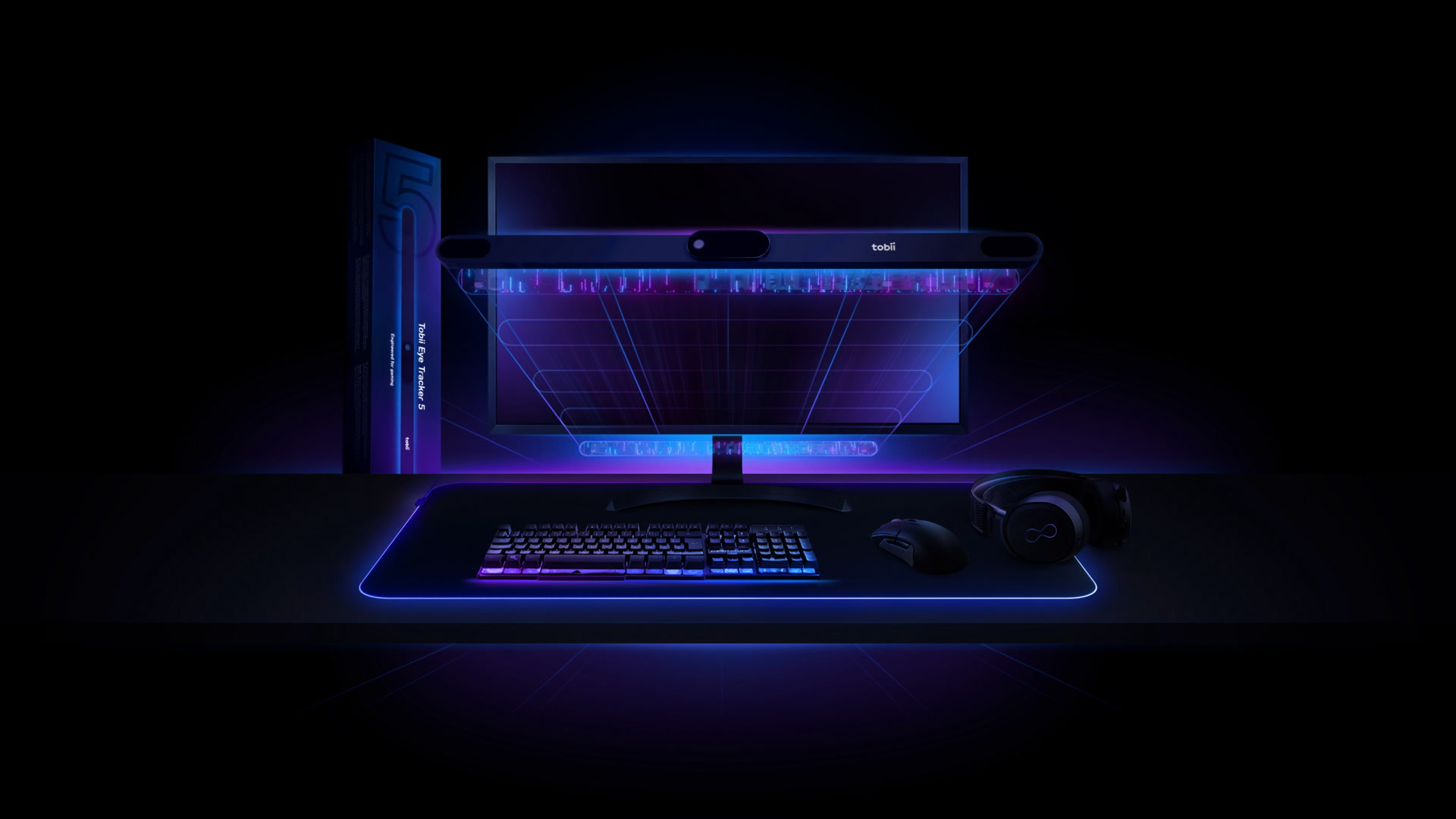
Games are no longer judged only by graphics, speed, or story. Players now expect smooth controls, clear menus, fair difficulty, and exciting experiences from the first minute. For gaming companies, this means one thing: they need to understand how players actually interact with the game.
This is where eye tracking in gaming becomes useful. It shows where players look, what they notice first, what they miss, and where they get confused. Instead of guessing player behavior, teams can study real attention patterns and improve the game with stronger data.
For studios, publishers, esports platforms, and gaming product teams, this service can improve user experience, reduce redesign costs, and support better business results.
Why Eye Tracking in Gaming Matters More Than Ever
Modern games are full of action, choices, menus, maps, rewards, ads, and visual effects. But if players cannot quickly understand what is happening, they may feel lost or frustrated.
Eye tracking helps teams answer important questions such as:
- Are players noticing the main objective?
- Do they understand the tutorial screens?
- Are menus easy to scan and use?
- Are important buttons placed correctly?
- Do ads or rewards distract from gameplay?
- Are players missing key game elements?
These answers help gaming teams design better experiences. Instead of depending only on surveys or feedback after gameplay, teams can see real behavior while the player is playing.
What Eye Tracking in Gaming Really Means
Eye tracking in gaming is the process of studying where a player looks during gameplay. It uses special tools or software to record eye movement, gaze points, attention time, and visual focus.
In simple words, it helps teams understand the player’s visual journey.
For example, during a racing game, a player may look at the road, speed meter, map, and opponent cars. Eye tracking shows whether these elements are easy to notice or too distracting. In a strategy game, it can show whether players understand the controls, resource panels, and enemy movement.
This creates a clear picture of how the game feels from the player’s point of view.
How the Process Works Without Making It Complicated
The process is simple and structured. A player is asked to play the game while eye movement is recorded. After that, researchers study the data and turn it into useful insights.
A typical process includes:
- Setting clear testing goals before the session
- Selecting the right player group for testing
- Recording gaze movement during gameplay
- Studying heatmaps and attention patterns
- Finding design issues and confusion points
- Sharing practical recommendations with the team
Game teams can then use these findings to improve design, controls, levels, menus, and visual flow. This is also where UX research services can support teams by connecting player behavior with design decisions that improve the overall experience.
What Game Teams Can Learn From Player Attention
Eye tracking does not only show where players look. It also shows what they ignore, what distracts them, and what slows them down.
Some useful insights include:
- Which screen areas get the most attention
- Which game elements are ignored
- Where players hesitate before taking action
- Whether tutorials are clear enough
- Whether controls are easy to find
- Whether visual effects affect focus
- Whether players notice rewards or warnings
These insights help teams make games easier to understand without making them boring or too simple.
Better Gameplay Starts With Better Visual Clarity
One of the biggest benefits of eye tracking in gaming is improved visual clarity. Players should not struggle to find what matters. Important objects, alerts, buttons, and goals must stand out naturally.
Eye tracking can help improve:
- Heads-up display placement
- Map and navigation design
- Health bars and status indicators
- Tutorial message positioning
- Call-to-action button visibility
- Inventory and settings layouts
- Reward screen readability
When these elements are clear, players enjoy the game more. They spend less time feeling confused and more time playing.
Business Benefits Beyond Game Design
Eye tracking is not just a design tool. It can also help gaming businesses make better product and marketing decisions.
For businesses, the value is practical:
- Lower redesign costs after launch
- Better player retention
- Higher tutorial completion rates
- Stronger in-game purchase visibility
- Improved ad placement decisions
- Better onboarding for new players
- Higher player satisfaction
When players understand the game faster, they are more likely to continue playing. This can improve session length, repeat usage, and revenue opportunities.
For mobile games, this is especially useful because small screens make visual attention even more important.
Where Eye Tracking Services Add Real Value
Professional eye tracking services help teams move from raw data to meaningful action. The value is not only in recording eye movement. The real value comes from understanding what the data means and how it can improve the game.
A good service can help with:
- Planning the right test method
- Choosing the right players
- Running controlled testing sessions
- Reading heatmaps correctly
- Finding hidden usability problems
- Giving clear design recommendations
This saves internal teams time and helps them avoid wrong assumptions.
Pattem Digital helps gaming and product teams use research-led insights to improve player experience, make interfaces easier to use, and turn attention data into practical design improvements.
ROI: How This Service Improves Business Results
The return on investment comes from better decisions before and after launch. Fixing design problems early is usually cheaper than correcting them after players leave negative reviews or stop using the game.
Eye tracking can support ROI in many ways:
- Reduces costly post-launch design changes
- Helps improve first-time player experience
- Supports better conversion on paid features
- Improves placement of offers and rewards
- Helps teams build stronger game interfaces
- Increases player trust through smoother design
For example, if players miss a reward button or fail to notice a purchase offer, the business may lose revenue. If a tutorial is confusing, new players may leave before they understand the game. Eye tracking helps find these issues early.
This makes it useful for both new game development and existing game optimization.
Smart Use Cases for Game Studios
Game studios can use gaze tracking for games at different stages of development. It is useful during early prototypes, beta testing, redesign, and post-launch updates.
Common use cases include:
- Testing new game concepts
- Improving onboarding screens
- Checking level design clarity
- Studying esports player focus
- Testing ad and offer placement
- Improving accessibility and usability
- Reviewing menu and settings design
Player attention tracking can also help competitive gaming platforms understand how players react under pressure. This can be useful for training, performance analysis, and broadcast experience design.
What Makes the Insights Reliable
Good eye tracking research should not be treated as a single data point. It works best when combined with user interviews, gameplay recordings, surveys, and performance metrics.
Reliable analysis usually looks at:
- What players looked at
- What they clicked or selected
- Where they made mistakes
- How long they took to respond
- What they said after the session
This gives a balanced view of player behavior. Teams can then make changes based on both data and player feedback.
From Player Attention to Stronger Game Performance
Eye tracking in gaming gives game teams a clearer way to understand players. It shows what players notice, what they miss, and where the design can be improved. This makes it easier to create games that feel smooth, simple, and enjoyable.
For businesses, the value is also strong. Better player experience can support higher engagement, better retention, stronger conversions, and lower redesign costs. Instead of guessing what players need, teams can use real attention data to make smarter decisions.
In a competitive gaming market, even small design improvements can make a big difference. Eye tracking helps teams find those improvements and turn them into better gameplay and stronger business results.

