Walk into any thoughtfully designed living room and your eyes will likely land on one thing first: the accent chair. Yet for all the attention these pieces command, they remain one of the most underestimated elements in home design. Some homeowners treat them as mere decorative afterthoughts, while others recognize them as the anchor that pulls an entire room together. This tension between form and function is precisely what makes accent chairs such a fascinating topic for anyone looking to elevate their space. Whether you are furnishing your first apartment or refreshing a room that feels stale, understanding the true role of an accent chair can transform the way you approach interior design. The question is not simply about picking something that looks good. It is about finding the intersection where style meets everyday living, where beauty serves a purpose, and where a single piece of furniture can redefine how a room feels, flows, and functions.
The Great Divide: Decorative Object or Functional Seating
The debate around accent chairs often splits into two camps. On one side, you have design purists who view these chairs as sculptural elements meant to be admired rather than used. On the other, practical homeowners insist that every piece of furniture must earn its place through daily utility. The truth, as with most design questions, lives somewhere in the middle. A well-chosen accent chair should invite you to sit down just as readily as it draws compliments from guests. The challenge lies in identifying which qualities matter most for your specific living situation.
Consider how you actually use your living spaces. If you frequently host gatherings, accent chairs become essential overflow seating that keeps conversations flowing naturally. If you prefer quiet evenings with a book, comfort and proper support take priority over visual drama. For those working from home, an accent chair might serve as an alternative workspace that breaks the monotony of a desk setup. Each scenario demands different features, yet all require a chair that looks intentional within your existing decor.
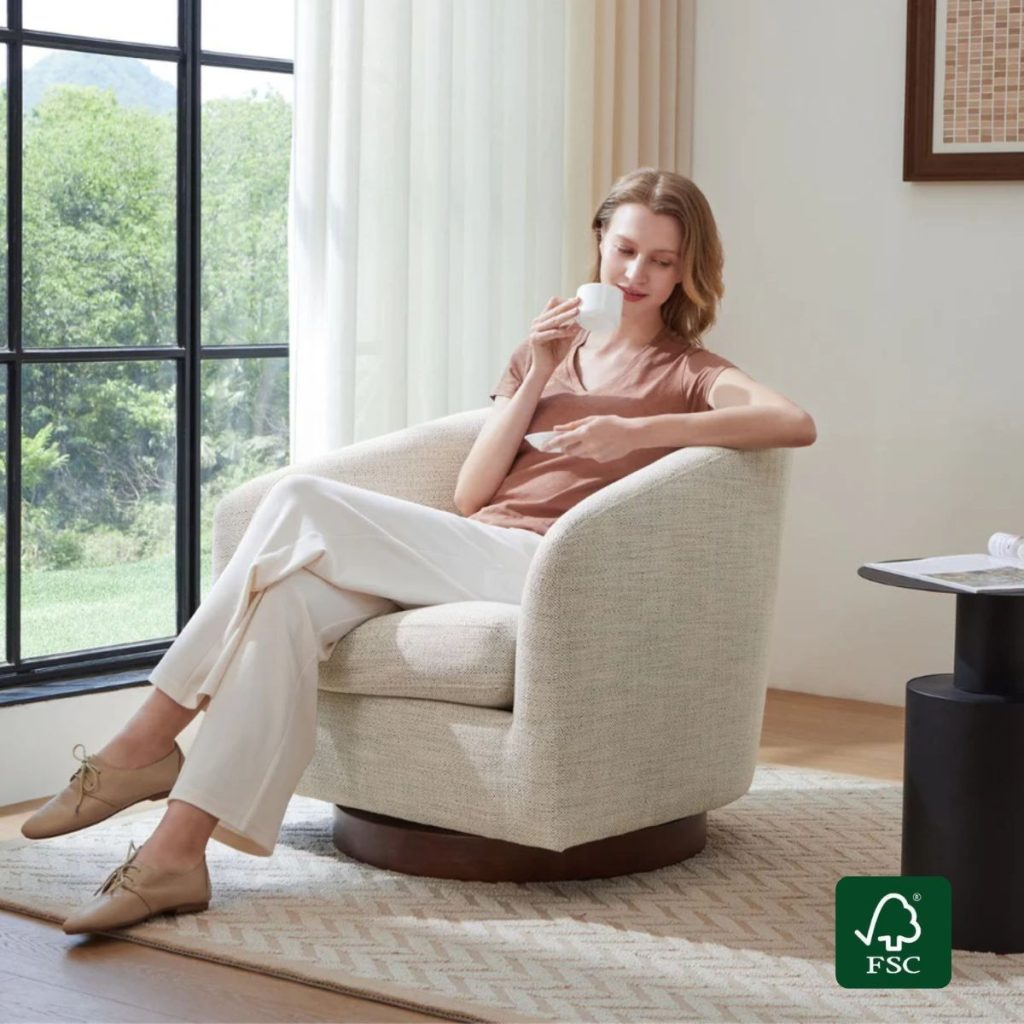
Style Without Substance: The Pitfall of Choosing Looks Alone
It is tempting to fall in love with a chair based solely on its appearance. Social media feeds overflow with stunning accent chairs positioned in perfectly staged rooms, their cushions untouched, their frames gleaming under ideal lighting. But a chair that photographs beautifully may disappoint in daily life. Shallow seats create discomfort after twenty minutes. Delicate fabrics show wear within months. Spindly legs wobble on uneven floors. The visual appeal that drew you in becomes a source of frustration when the piece fails to perform its most basic function.
This does not mean you should sacrifice aesthetics for practicality. Rather, it means developing an eye for chairs that deliver both. Look beyond the surface appeal and examine construction details. How is the frame joined? What density is the foam cushioning? Does the seat depth accommodate your body comfortably? These questions might feel unromantic compared to browsing beautiful designs, but they separate chairs you will love for years from those that end up in a garage sale within months. Brands like CHITA LIVING have recognized this gap in the market, focusing on pieces that balance visual appeal with the kind of structural integrity that supports real daily use.
The Fabric Question: Performance Meets Personality
Upholstery choice represents perhaps the most critical decision in selecting an accent chair, yet it rarely receives the attention it deserves. The fabric you choose determines not only how your chair looks but how it ages, how it feels against your skin, and how much maintenance it demands from your routine. Velvet creates undeniable drama but shows every pet hair and requires careful cleaning. Linen offers a relaxed, organic feel but wrinkles easily and stains without treatment. Leather develops a beautiful patina over time but feels cold in winter and sticky in summer without climate control.
Performance fabrics have evolved dramatically in recent years, offering textures and appearances that rival natural materials while providing superior stain resistance and durability. These engineered textiles can mimic the look of linen, velvet, or even leather while standing up to spills, pets, and heavy use. For households with children or animals, performance fabric on an accent chair is not a compromise but a strategic choice that preserves both beauty and sanity. The key is matching your fabric selection to your actual lifestyle rather than an idealized version of how you wish you lived.
Scale and Proportion: Where Most Mistakes Happen
Even experienced decorators sometimes misjudge scale when selecting accent chairs. A chair that looked perfectly proportioned in a showroom can overwhelm a small apartment living room or disappear in a spacious open-plan layout. The relationship between your accent chair and the surrounding furniture matters more than the chair itself in isolation. A delicate mid-century frame next to a bulky sectional creates visual confusion. An oversized wingback in a compact reading nook blocks movement and makes the space feel cramped.
Start by measuring not just the available floor space but the visual weight of your existing furniture. If your sofa is low and streamlined, your accent chair can afford more presence without creating imbalance. If your room already contains substantial pieces with heavy proportions, a lighter chair with exposed legs and a slim profile will provide contrast without competition. Pay attention to seat height as well. Ideally, your accent chair should sit within two inches of your sofa seat height to create comfortable conversation groupings where no one feels like they are looking up or down at others.
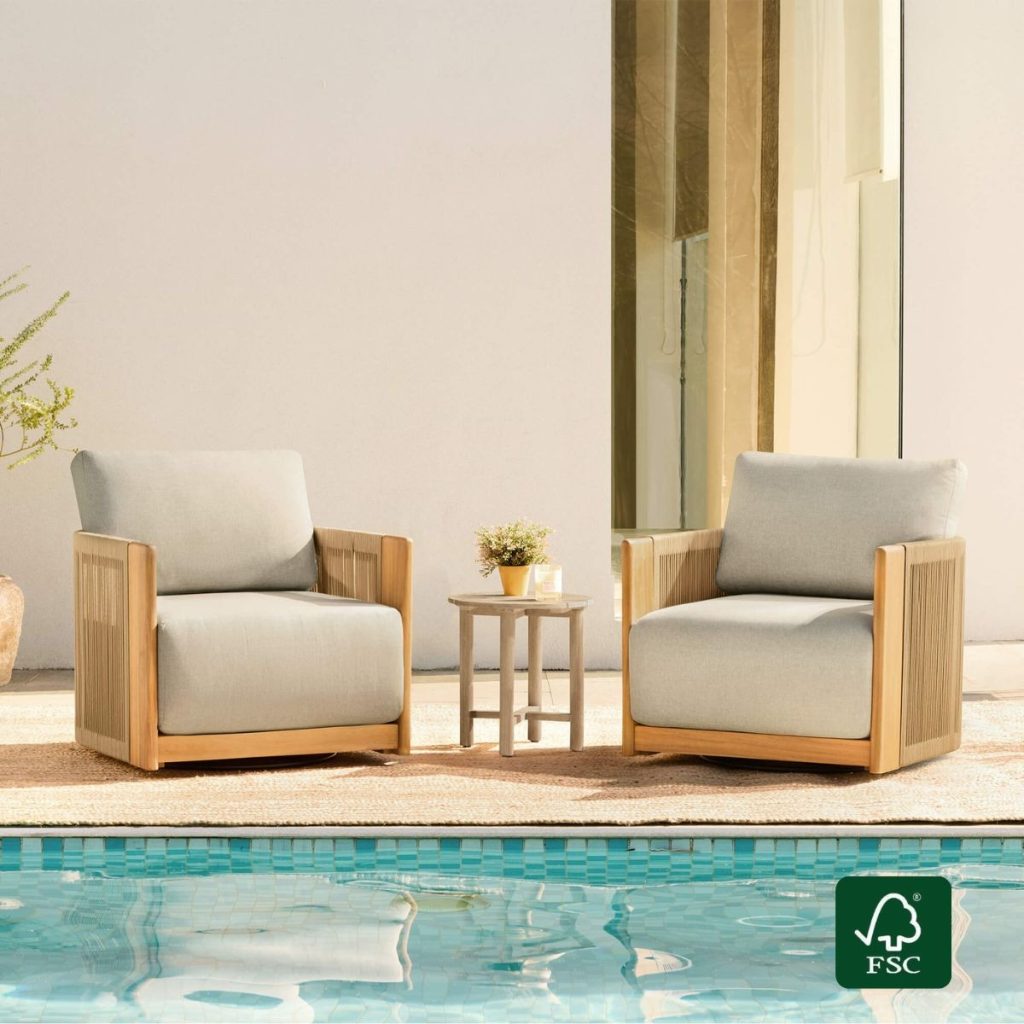
Placement Strategy: Beyond the Obvious Corner
The default instinct is to push an accent chair into a corner or place it directly opposite the sofa. While these arrangements work, they represent only the beginning of what thoughtful placement can achieve. An accent chair angled slightly toward a fireplace creates a cozy vignette that feels intentional rather than default. A pair of accent chairs facing each other across a coffee table establishes an intimate conversation area within a larger room. A single chair placed near a window with a small side table becomes a dedicated reading retreat that functions independently from the main seating area.
Consider traffic flow when positioning your accent chair. People should be able to move through the room without navigating around it awkwardly. Leave at least eighteen inches between the chair and adjacent furniture for comfortable passage. Also think about what the chair faces. Positioning it toward a focal point like a fireplace, window with a view, or media center gives it purpose beyond simply existing in the room. The goal is creating a spot where someone would naturally want to sit, not just filling an empty space because it seemed bare.
Color and Pattern: The Courage to Commit
An accent chair offers a unique opportunity to introduce color or pattern into a room without the commitment of a large sofa or wall treatment. Yet many homeowners default to safe neutrals, missing the very purpose of an accent piece. The word accent itself implies distinction, something that stands apart from the baseline. A navy velvet chair in a room of warm neutrals creates a sophisticated focal point. A botanical print against solid-colored surroundings adds energy and personality without overwhelming the senses.
The key to successful color choices lies in connecting your accent chair to at least one other element in the room. This might be a throw pillow, a piece of artwork, a rug pattern, or even the binding of books on a nearby shelf. This connection prevents the chair from feeling random or disconnected from its environment. If bold color feels too risky, consider texture instead. A chair in a neutral tone but with interesting material like boucle, channel tufting, or woven rattan provides visual interest through tactile appeal rather than chromatic drama. CHITA LIVING offers several options in this space, with chairs that use texture and silhouette rather than relying solely on color for their visual impact.
Longevity Over Trends: Investing in Timeless Design
Interior design trends cycle faster than ever, driven by social media algorithms that reward novelty over substance. The chair style dominating feeds today may feel dated within two years. This reality makes a strong case for selecting accent chairs with timeless proportions and classic silhouettes rather than chasing whatever shape or style currently dominates popular culture. A well-proportioned barrel chair, a clean-lined club chair, or an elegant wingback transcends trends because these forms have proven their appeal across decades of design evolution.
This does not mean avoiding personality or playing it entirely safe. Timeless design still allows for individual expression through fabric choice, leg finish, and subtle proportion adjustments. A classic wingback in an unexpected fabric feels both fresh and enduring. A modern barrel chair with traditional turned legs bridges eras without committing to either extreme. The goal is selecting a chair you will still appreciate in five or ten years, not one that will feel like a timestamp of a particular moment in design history. Think of your accent chair as a long-term relationship rather than a passing fascination.
Where Style and Purpose Finally Meet
The tension between decorative impact and everyday function is not a problem to solve but a balance to embrace. The best accent chairs refuse to choose between beauty and utility, offering both in equal measure. They invite you to sit as readily as they catch the eye of anyone entering the room. They age gracefully because they were built with quality materials and honest construction. They remain relevant because their design speaks to enduring principles rather than fleeting trends. As you evaluate your own spaces, resist the urge to treat accent seating as either purely functional or merely decorative. The pieces that earn permanent places in well-loved homes are those that honor both roles simultaneously, proving that thoughtful design never asks you to compromise between how something looks and how it lives.

