Every room has that one piece of furniture that quietly holds everything together. It is not always the sofa or the dining table that makes a space feel complete. Often, it is the sideboard standing along the wall, offering storage, surface area, and a sense of visual balance that ties a room together. Whether you are dealing with a cluttered dining room, an entryway that swallows keys and mail, or a living room that needs both function and flair, a well-chosen sideboard delivers on every front without demanding attention.
The beauty of a sideboard lies in its versatility. It adapts to your needs, your aesthetic preferences, and the dimensions of your space. From sleek modern designs to warm mid-century silhouettes, there is a sideboard for every home and every lifestyle. The question is not whether you need one but which one fits your life best.
Why a Sideboard Belongs in Every Home
Storage is the eternal challenge in home design. No matter how large your space, there never seems to be enough room for everything. A sideboard solves this problem with elegance. Unlike bulky cabinets or towering bookshelves, a sideboard maintains a low profile while offering generous interior space. Drawers, shelves, and compartments hide away linens, dishes, electronics, books, and everyday clutter behind closed doors.
Beyond pure storage, a sideboard serves as a display surface. Place a lamp, a vase of fresh flowers, a collection of framed photographs, or a curated arrangement of decorative objects on top. The flat surface invites creativity and personal expression without requiring a dedicated console table or shelf unit. In dining rooms, sideboards double as serving stations during gatherings, keeping dishes warm and accessible without crowding the table.
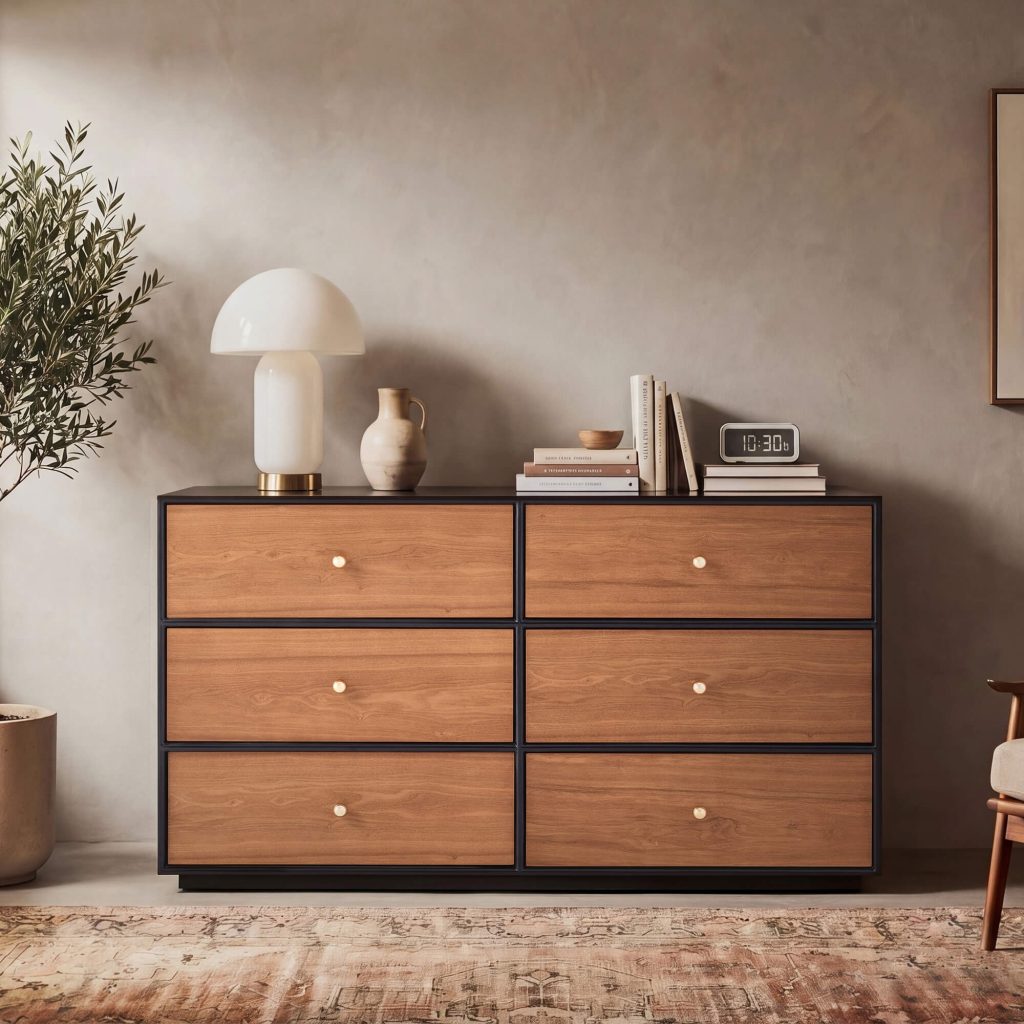
The practical appeal extends to nearly every room in the house. In a bedroom, a sideboard can replace a traditional dresser, offering a more refined look while still holding folded clothing, accessories, and personal items. In a home office, it keeps supplies organized and out of sight, maintaining a clean workspace that encourages productivity. Hallways and entryways benefit from the slim footprint of a sideboard, turning dead space into functional storage without impeding foot traffic.
Choosing the Right Style for Your Space
When selecting a sideboard, the first consideration is how it will fit into your existing decor. A modern minimalist home calls for clean lines, flat fronts, and understated hardware. Think matte finishes, slim metal legs, and a streamlined silhouette that blends seamlessly with the rest of the room. If your style leans more traditional, look for sideboards with paneled doors, turned legs, and warm wood tones that echo classic craftsmanship.
Mid-century modern sideboards remain a popular choice for their timeless appeal. Tapered legs, organic curves, and rich walnut or teak finishes bring warmth and character to any room. These pieces pair beautifully with both contemporary and vintage decor, making them a safe bet for homes with an eclectic mix of styles. Scandinavian-inspired designs offer a lighter alternative, with pale woods, woven textures, and an emphasis on natural materials that create a calm, airy atmosphere.
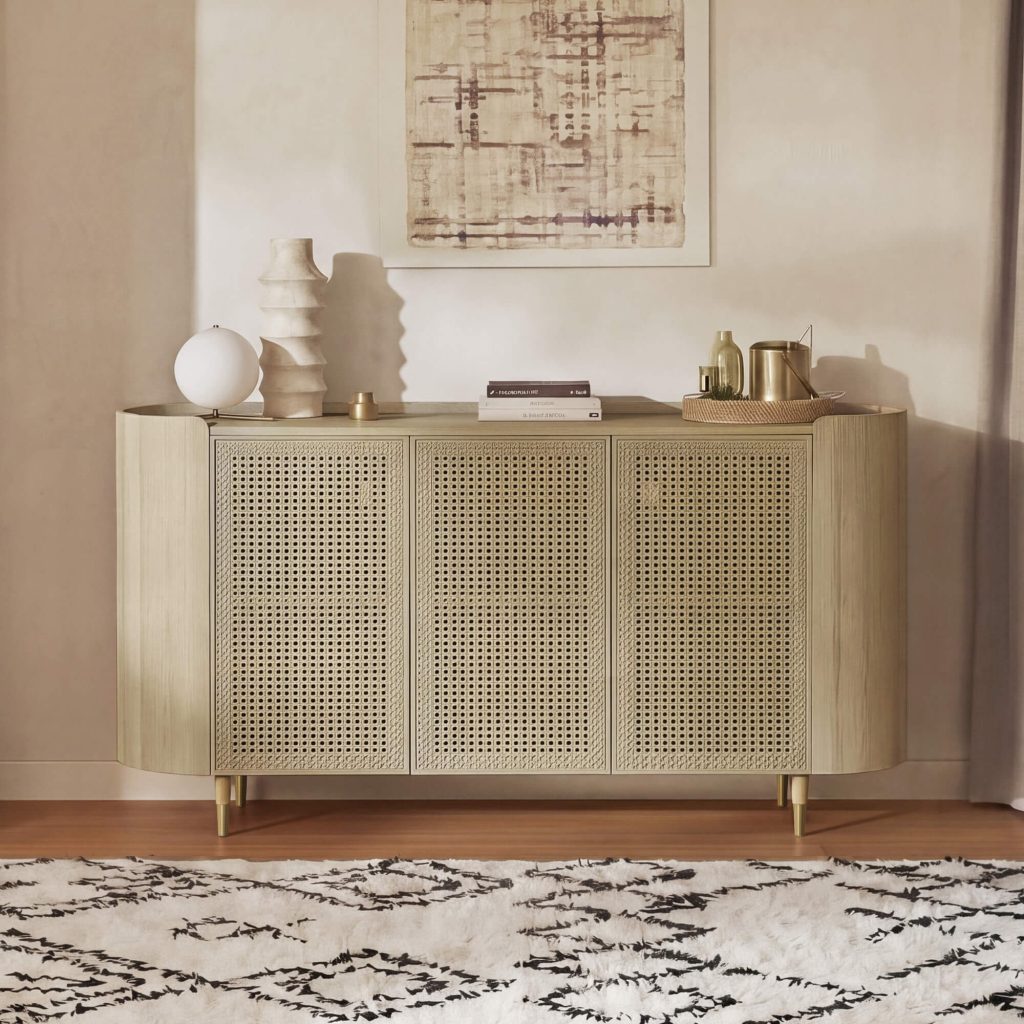
For those who prefer something with more visual interest, consider sideboards featuring rattan or cane detailing. These textured elements add depth and dimension to a piece without overwhelming a room. The interplay of solid wood and woven panels creates a layered look that feels both sophisticated and approachable. CHITA LIVING offers a range of designs that capture this balance between form and function, making it easier to find a piece that aligns with your personal taste.
Size and Proportion Matter
A sideboard that is too large will dominate a room and restrict movement. One that is too small will look lost against a blank wall and fail to provide adequate storage. Measuring your available space is essential before committing to a purchase. Consider not just the width of the wall but also the depth of the piece and how far it will project into the room. In narrow hallways or compact dining areas, a shallower sideboard keeps the space feeling open while still providing useful storage.
Height is another factor worth considering. Standard sideboards sit around thirty to thirty-six inches tall, making them comfortable to use as a serving surface or display area. Taller options work well in rooms with high ceilings, filling vertical space and creating a more dramatic focal point. Shorter, console-style sideboards suit spaces where you want to maintain sightlines, such as open-plan living areas where visual flow between zones matters.
The number of doors, drawers, and open compartments varies widely between models. Think about what you plan to store inside. If you need to organize small items like cutlery, napkins, or office supplies, drawers with dividers are invaluable. For larger items like serving platters, board games, or table linens, wide shelved compartments behind doors offer the most flexibility. Some sideboards combine both, giving you the best of both worlds.
Material Quality and Durability
The material of your sideboard determines how it ages, how it handles daily wear, and how long it remains a functional part of your home. Solid hardwoods like oak, walnut, and ash offer exceptional durability and develop a richer patina over time. These materials resist dents and scratches better than softer woods or composite materials, making them ideal for high-traffic areas or homes with children and pets.
Engineered wood with quality veneer provides a more accessible price point while still delivering an attractive finish. The key is to look for thick veneer and sturdy construction rather than thin laminate over particle board. A well-built engineered sideboard can last decades with proper care, while a cheaply made one may warp, chip, or delaminate within a few years. Pay attention to the construction of drawers and doors as well. Dovetail joints, soft-close hinges, and solid drawer bottoms indicate a piece built to last.
Metal accents and hardware contribute to both the aesthetics and the longevity of a sideboard. Brushed brass, matte black iron, and polished nickel each create a different mood. Beyond appearance, the quality of hinges, handles, and drawer slides directly affects how the piece functions day to day. Smooth, quiet hardware makes opening and closing feel effortless, while flimsy fittings quickly become a source of frustration. When evaluating options from brands like CHITA LIVING, take note of these construction details that separate pieces meant to endure from those designed merely to fill a gap.
Placement and Styling Tips
Where you place a sideboard shapes how the entire room feels. In a dining room, position it along the wall closest to the kitchen for easy access during meals. Leave at least three feet of clearance between the sideboard and the dining table so chairs can be pulled out comfortably. If your dining space is open to the living area, the sideboard can serve as a natural divider, creating distinct zones without building a wall.
In living rooms, a sideboard behind a sofa or along a feature wall adds both storage and visual weight. Use the top surface to anchor a gallery wall or large mirror above it. The combination of a horizontal surface below and vertical artwork above creates a balanced composition that draws the eye. Keep the styling intentional and uncluttered. A few carefully chosen objects always look better than a crowded surface that collects dust and feels chaotic.
Consider lighting when placing your sideboard. A table lamp on one end adds warmth and creates ambient light in the evening. If the sideboard sits beneath open shelving or a window, natural light will highlight its finish and any decorative items on display. Avoid placing a sideboard in direct sunlight for prolonged hours, as this can fade wood finishes and damage delicate materials over time.
Maintaining Your Sideboard for Years of Use
Regular care keeps a sideboard looking fresh and functioning smoothly. Dust the surface weekly with a soft, dry cloth to prevent buildup that can scratch the finish. For deeper cleaning, use a slightly damp cloth followed immediately by a dry one to avoid moisture damage. Avoid harsh chemical cleaners, especially on natural wood surfaces, as these can strip protective coatings and dull the finish.
For wood sideboards, periodic treatment with furniture oil or wax restores moisture and maintains the protective barrier against spills and stains. Address spills immediately by blotting rather than wiping to prevent liquid from seeping into the grain. Use coasters under vases, glasses, and anything that might leave a ring. Felt pads under decorative objects protect against scratches on the top surface.
Check hardware periodically and tighten any loose screws or handles before they cause damage to the surrounding material. Lubricate drawer slides and hinges once or twice a year with a silicone-based spray to keep everything moving smoothly. If a door begins to sag or a drawer sticks, addressing the issue early prevents further misalignment that becomes harder to correct over time.
Storage That Elevates Every Room
A sideboard is not just another piece of furniture. It is a quiet workhorse that brings order, beauty, and intention to any space it occupies. From organizing the chaos of daily life to providing a surface for personal expression, the right sideboard earns its place in your home many times over. The key is choosing one that matches your space in size, style, and build quality so it serves you well for years to come.
Whether you gravitate toward the warmth of natural wood, the texture of woven rattan, or the clean simplicity of modern design, there is a sideboard waiting to transform an underused wall into the most functional part of your room. Take the time to measure, consider your storage needs, and invest in quality construction. The result is a home that feels more organized, more intentional, and more complete.

